Resources & Information

Nonprofit housing organizations are using accessory dwelling units (ADUs) to meet the demand for affordable housing in the United States. ADUs increase opportunities for multifamily housing and are reported to stimulate affordable rental rates, though restrictive zoning laws have impeded their widespread development in some municipalities. This paper considers how nonprofit organizations within and outside of the NeighborWorks America network are working to create the financial and cultural infrastructure to support ADUs in both suburban and urban neighborhoods. It also explores challenges that community development corporations (CDCs) have experienced in developing ADU programs. In doing so, the paper analyzes how nonprofit organizations are using ADUs to provide affordable housing, as well as how ADUs are being adapted to serve different populations and needs.

Download Now
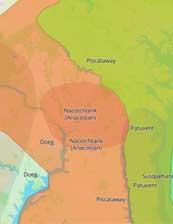
To recognize the land is an expression of gratitude and appreciation to those whose territory you reside on. It’s also a way of honoring the Indigenous people who have been living and working on the land from time immemorial.

Download Now
Arielle Rawlings’s research draws from the experience of post-pandemic neighborhood change to provide housing and community development practitioners with a framework to illuminate the specific needs of middle neighborhoods, understand the community development programs that can serve these needs, and leverage the lessons learned from the robust work being done by NeighborWorks organizations.

Download Now
On Aug. 24, 2023, NeighborWorks America convened a group of NeighborWorks network leaders who received Native Partnership grants to expand their work with Native organizations in their communities. During this gathering, more than two dozen leaders spent the day learning from each other, building relationships and sharing strategies.

Download Now
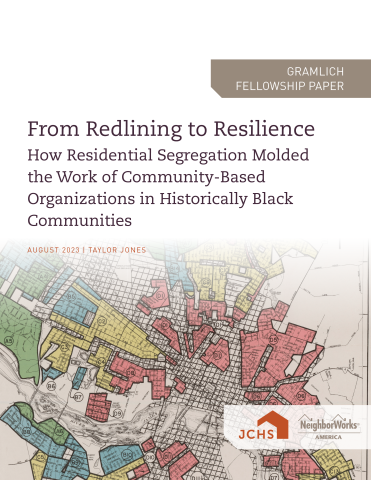
Taylor Jones took a deep look at the ways in which local histories of redlining and other forms of institutional discrimination influence the mission and strategy of community development organizations, as well as the ways in which their work is viewed by funders. 

Download Now
In the US, 22 percent of households in tribal areas either have severely inadequate housing or are overcrowded—or both. This reality is abysmal, especially in comparison with the significantly higher quality of housing on nontribal lands. Furthermore, projects funded, designed, and/or run by the US Department of Housing and Urban Development (HUD) are often poorly built and designed in ways that do not respect cultural norms, perpetuating the economic instability implicit in inadequate housing. Simultaneously, there are several promising nascent efforts to develop housing that is affordable, higher quality, and culturally sensitive. This paper, based on research conducted while the author was a Gramlich Fellow at the Center, examines three such efforts with reference to the following questions:
 

How do Native design practitioners define Native and culturally sensitive design? How can design uplift Native communities? How can design create self-determination for tribes? What current design practices exist that have been successful in addressing housing needs on tribal lands? How do current design practices relate to past methods of housing construction on tribal lands? How does federal policy influence the design decisions practitioners are able to make with tribal housing?


Download Now

Shared equity housing creates lasting affordability, builds wealth for people with limited incomes and helps create vibrant and inclusive communities. Shared equity programs typically realize these outcomes by limiting the sale or rental price of homes in their portfolios; requiring the sharing of home appreciation gains; and providing homeownership assistance to program residents. Residents and community members often participate in governing shared equity programs through democratic decision-making and/or a cooperative ownership structure. 

Download Now
Our blueprint serves as a primer to manufactured housing — and a roadmap for community development professionals with the desire to build and scale sustainable programs centered on manufactured housing. 

Download Now
This research offers organizational- and policy-level insights into the implementation and sustainability of delivering resident services. To enable and improve this field, a call is made to policymakers and other funders to increase the stability and availability of funding for resident services. This opportunity, if met by government, foundations, private donors, and organizations themselves, has the potential to transform not only the physical, emotional, and financial health of residents, but our definition of and approach to housing as we know it.

Download Now

For all media inquiries

Email [email protected] or
call 202-760-4097.