

AHEAD Inc., an affordable housing and community development nonprofit in rural New Hampshire, has been working with NeighborWorks® America to make its real estate portfolio more efficient and, at the same time, to bring more people into homeownership.
The organization received technical and tactical assistance through NeighborWorks’ Portfolio Strengthening Program, built to give organizations the support they need as they examine their real estate portfolios with a strategic lens. Last month, NeighborWorks announced $1.8 million in grants to 15 organizations across the country, including AHEAD. The funding is part of NeighborWorks’ Congressional appropriation.
To qualify for the grants, each organization has to go through an intensive portfolio strengthening clinic, analyzing its properties and answering the hard questions. Each one then prepares a three-year plan showing the potential of its properties and of the improvements it wants to make. AHEAD started with the educational component of the program last year.
“It’s been a great experience, and the team that put it together did a phenomenal job,” said Harrison Kanzler, executive director of AHEAD. “It’s a great value-add of being a NeighborWorks affiliate.”
AHEAD acquired several smaller buildings in the early 1990s that needed rehabilitation work. At the time, Kanzler said, it made sense. These days, those same small buildings are outliers in the portfolio, and it’s hard to maintain both the cash flow and the buildings themselves. But the people who live in them still deserve well-maintained properties, and AHEAD is committed to providing them.
The cost of that work remains high, and AHEAD wants to reserve its Community Development Block Grant applications for newer, bigger developments. That’s where the clinic and the grants have been beneficial. AHEAD can put block grant funding toward properties it is building from the ground up, and use the Portfolio Strengthening Grant to turn the smaller properties into homeownership opportunities.
“Our hope is to make these homes deeply affordable, and to get the people who live there as tenants to live there as homeowners, for potentially less money than they’re paying in rent,” Kanzler said.
Two properties are in the works: Woodsville Maple Walnut, 14 units across six buildings, and Bethlehem Pine Manor, a traditional Victorian-style home split into three units. The grant money will help with cash flow until it’s time to “exit” the properties by selling them to homeowners in several years.
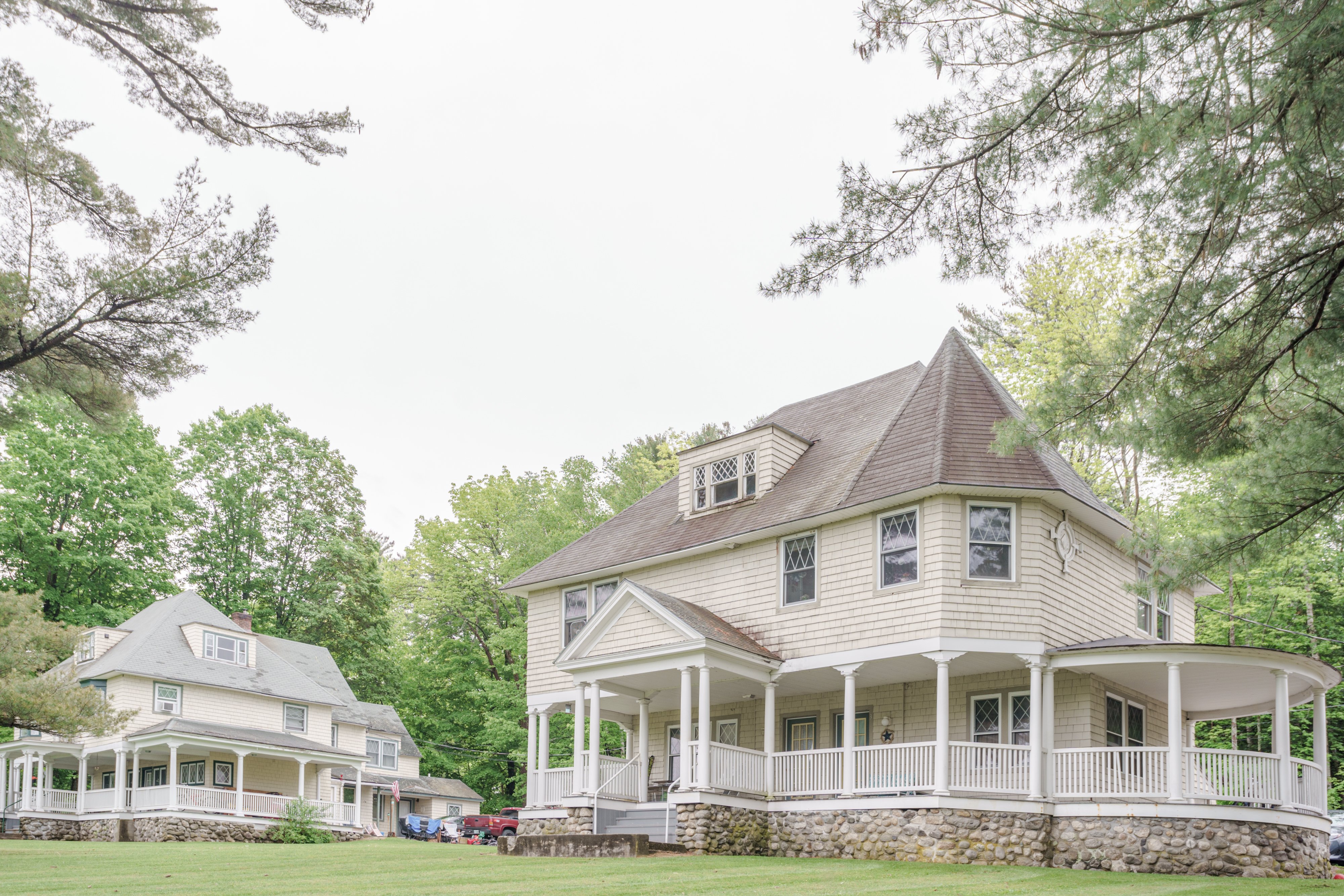
Kanzler also wants to make the buildings more energy efficient, with new insulation and newer appliances that use less power and bring down the monthly bill. Replacement reserves will help with a new roof and the procurement of heat pumps. “We’re preparing for these to be condos instead of apartments,” he said.
Efficiency, which includes updating aging systems and replacing insulation, translates directly into affordability, Kanzler said. If they don’t do it, “it’s a massive hit. And we can’t raise rents that much.” His hope is to eventually tie the new systems to solar.
Because AHEAD owns the buildings now, Kanzler knows what a difference those updates will make for homeowners living on a low to moderate income.
The organization is doing some preservation downtown, but when it comes to homes in his part of New Hampshire, Kanzler said, “it’s typically easier to build from scratch. The problem with historic preservation is that some of what you’re preserving is the clapboard on the outside or the brick façade. Inside, it’s basically a new building.”
Since the program launched in 2003, NeighborWorks has awarded more than $28 million to over 100 network organizations, helping them strengthen multifamily properties and support their long-term financial sustainability.
“Our network organizations are the stewards of affordable housing in the places they call home,” NeighborWorks America President and CEO Marietta Rodriguez said in announcing the awards. “These grants give NeighborWorks network organizations flexible capital to strengthen properties, address financial and operational challenges, and keep affordable homes available to residents for the long term.”
Phil Hood, director of the program, said the goal is to help network organizations put portfolio strategies in place that reduce risk and increase opportunity, investing in target properties to shore them up or to extend their long-term sustainability and affordability. “At the same time, we help lessen the risk to the parent organization and provide support,” he said.
The awards are part of more than $80 million in flexible grants NeighborWorks has made to network organizations in Fiscal Year 2026.