

 Print page
NeighborWorks® America network organizations and industry professionals met at the national nonprofit’s Washington, D.C. headquarters this month to talk about “Getting to the North Star for Shared Equity Housing.” Through five dedicated congressional appropriations beginning in 2019, NeighborWorks invested $12 million to strengthen the national infrastructure for shared equity homeownership. “Now it’s time to figure out what’s next, how to forge partnerships and how to keep moving forward," said Jenne Gaynor, director of Shared Equity Housing for NeighborWorks.
Housing is a part of America’s story. Shelter, after all, is integral to our survival.
Since the nation was first formed, people moved with opportunities. They still do. And the housing needs in each region have depended on the region itself. From city apartments to suburban single-family homes, from farmhouses to farm worker housing, our dwellings and communities vary. What does not vary is the desire to have a safe place to call home.
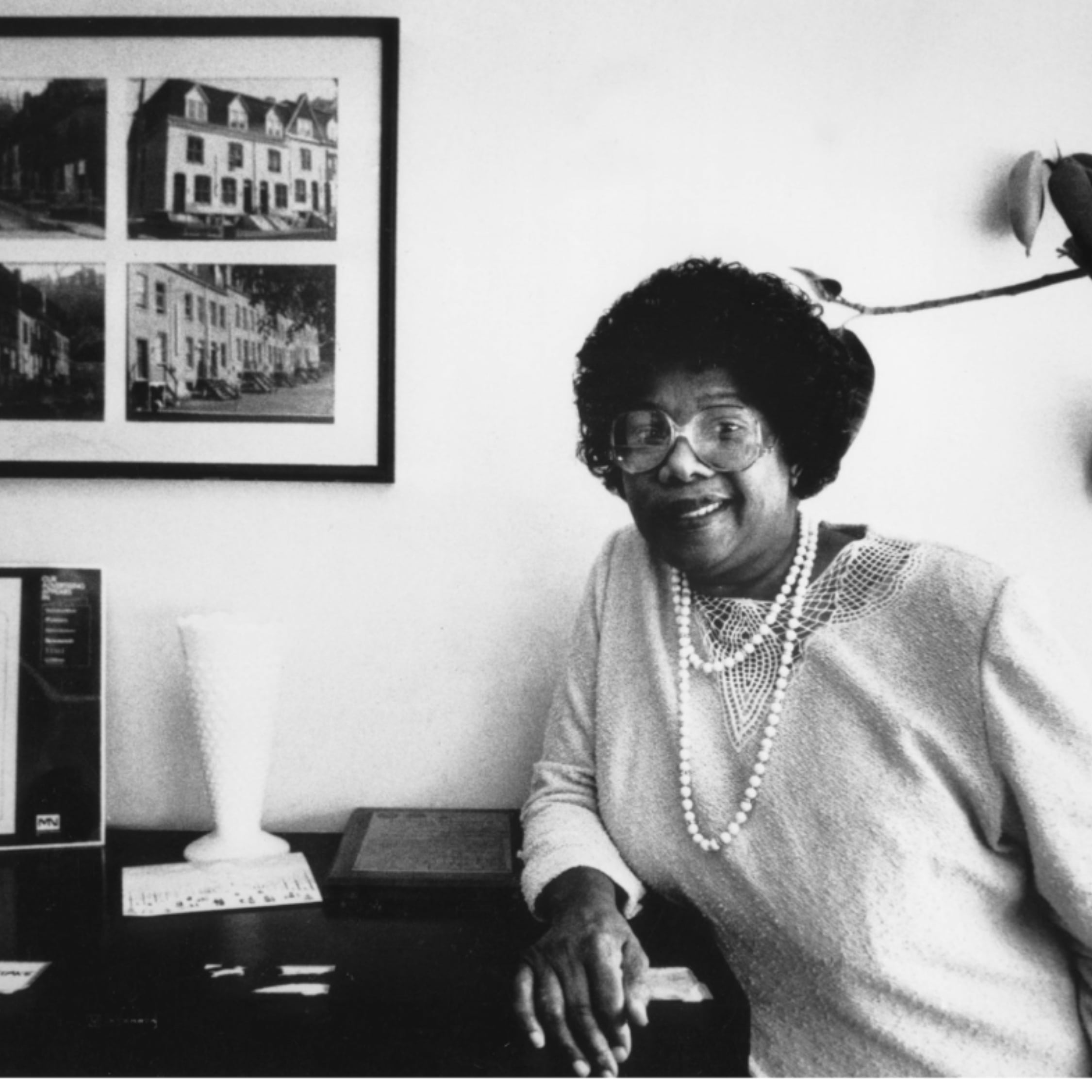
When people tell the story of America, they often talk about national leaders, historical events and major milestones.
But America's story has always been written closer to home.
In many communities across the country, housing programs operate in silos.
Emergency shelter exists in one space. Transitional housing exists somewhere else. Homeownership programs sit separately from rental assistance. Financial capability services are often disconnected entirely.
Marietta Rodriguez, president & CEO of NeighborWorks® America, joined a panel of housing leaders Wednesday to talk about the state of housing in the United States. The panel followed the release of the State of the Nation’s Housing 2026 report from the Harvard Joint Center for Housing Studies, which sponsored the event and highlighted continued affordability challenges, subdued housing activity, rising economic uncertainty – and hope.
At first glance, it looks like a modest apartment building tucked into downtown Anchorage.
But inside The Adelaide, operated by NeighborWorks Alaska, the work happening every day is much bigger than housing alone.
During a recent site visit to Alaska, leaders from NeighborWorks® America toured the single-room occupancy property, known as an SRO, to better understand how supportive housing models are helping residents experiencing homelessness and housing instability find safety, stability and community.
The sun shone brightly over the playground near Betsy Ross Circle in Milford, Delaware.
For many organizations across the NeighborWorks® network, housing conversations center around affordability, supply and rising costs. In Alaska, those conversations also include isolation, shrinking population, disappearing industries, extreme weather conditions and the reality that even keeping existing affordable housing ready residents can feel fragile.
More than 400 tribal leaders, housing practitioners, health organizations, community development professionals and national partners gathered in Anchorage, Alaska, this month for the Housing Our Relatives Summit, a first-of-its-kind convening focused on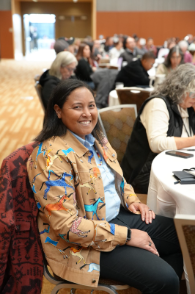 strengthening Native-led housing solutions through collaboration, shared le

Get the latest in housing and community development trends and news.

Visit the NeighborWorks' store for homeownership resources.
Connect With Us



1255 Union St. NE, Suite 500
Washington, DC 20002
202-760-4000