


In many communities across the country, housing programs operate in silos.
Emergency shelter exists in one space. Transitional housing exists somewhere else. Homeownership programs sit separately from rental assistance. Financial capability services are often disconnected entirely.
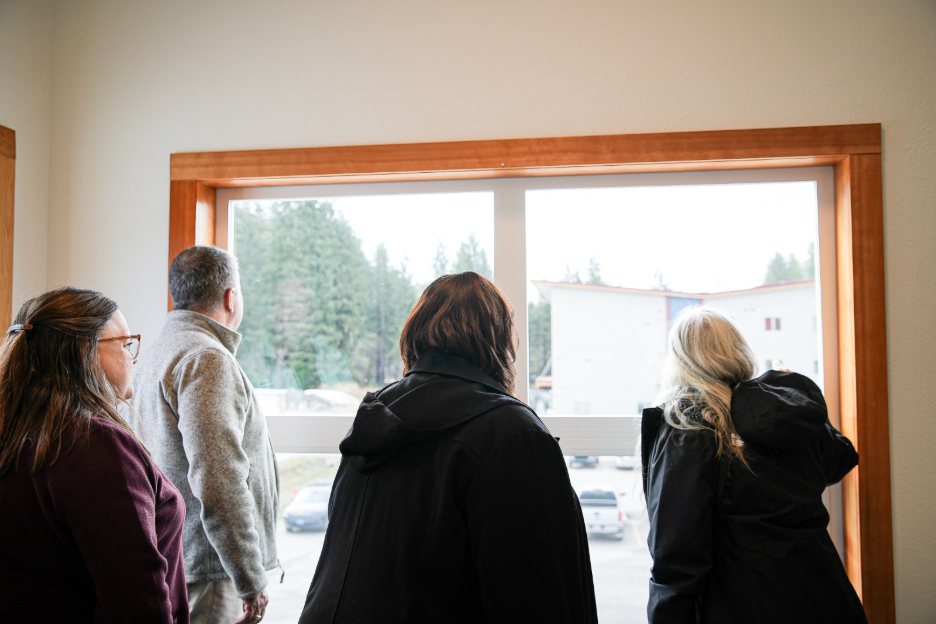 But during a recent visit to Juneau, Alaska, leaders from NeighborWorks® America saw a different approach taking shape, one designed around the idea that stable housing is not a single moment. It is a continuum.
Hosted by Jacqueline Pata and partners from Haa Yakaawu Financial Corporation and Tlingit Haida Regional Housing Authority, the visit highlighted how organizations across Juneau are working to build a full housing pipeline that supports residents from crisis stabilization to long-term homeownership.
The model is comprehensive by necessity.
Because in Juneau, the affordability math often does not work.
When rent costs more than your paycheck
Across many Alaska communities, housing affordability challenges are not abstract.; they are immediate and deeply personal.
Leaders during the visit described situations where monthly rents can reach $2,700 while some residents are bringing home closer to $1,700 per month in income.
That gap is not sustainable.
And it creates ripple effects across every part of the housing ecosystem, from homelessness and housing instability to workforce retention and long-term economic mobility.
“When the numbers do not work for residents, the system starts breaking down quickly,” Rodriguez said during the visit. “What stood out in Juneau was how organizations are responding with solutions designed to support people at every stage of the housing journey.”
The reality is especially difficult in rural and geographically isolated communities, where housing inventory remains limited and construction costs continue rising.
For many families, even securing stable rental housing can feel out of reach.
Building pathways, not just programs
Throughout the Juneau tour, leaders visited multiple projects that together reflect a broader strategy focused on long-term housing stability.
At Shéiyi X̱aat Hít, also known as Spruce Root House, the focus is on youth experiencing housing instability and crisis situations. The program provides shelter, support services and a safe environment designed to help young people stabilize and begin planning for the future.
Nearby, leaders heard an overview about Forget-Me-Not Manor and Shaanáx̱Tlein reentry housing, where Housing First approaches are helping residents transitioning from incarceration or housing instability reconnect with stable living environments and supportive services.
But the strategy does not stop there.
Organizations also are investing in lease-purchase models, financial capability services and pathways to homeownership designed to help residents move from short-term housing stabilization toward long-term wealth building opportunities.
“We cannot think about housing as one isolated program,” Pata said. “People need pathways. They need opportunities to move forward from shelter to stable rental housing and eventually, for some families, toward homeownership.”
That continuum approach is especially important in communities where housing supply is limited and economic barriers remain high.
The challenge is affordability. The goal is ownership.
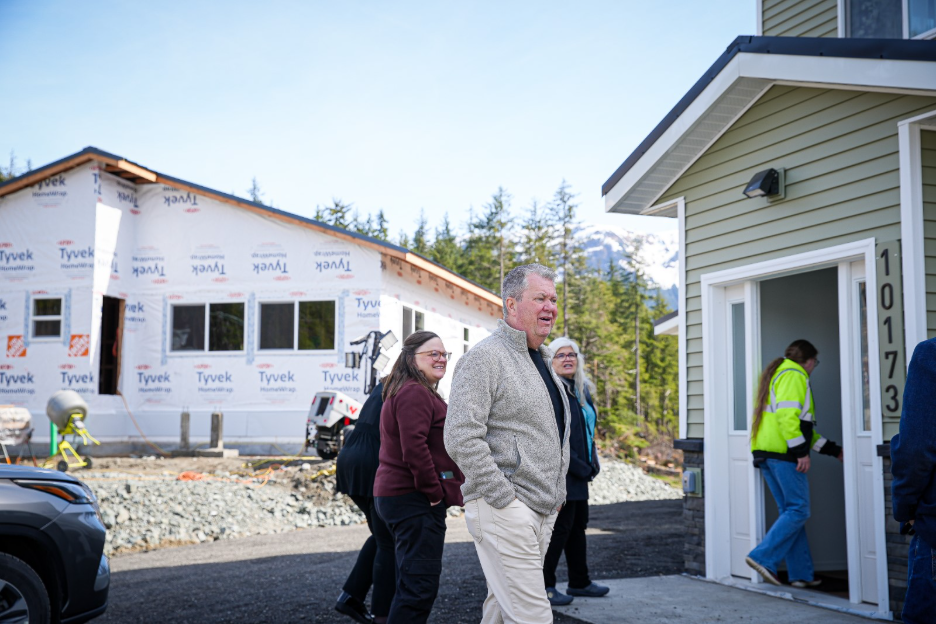 Like many parts of the country, Alaska faces a significant shortage of affordable housing inventory. But leaders throughout the visit emphasized another challenge that receives less attention: creating realistic pathways to ownership in markets where costs continue climbing.
For many first-time buyers, the barriers extend beyond down payments alone. Limited inventory, rising insurance costs, construction pressures and financing gaps all create additional hurdles.
And yet organizations across Juneau continue working to expand access.
Programs focused on lease-purchase opportunities and homebuyer readiness are helping residents begin building financial stability while preparing for ownership opportunities over time.
The work aligns closely with NeighborWorks America’s broader mission of supporting affordable housing and community development solutions that create long-term opportunity for residents.
“Homeownership still matters because it creates stability and opportunity for families,” said Marietta Rodriguez, president & CEO of NeighborWorks America. “But what we saw in Juneau was the importance of building systems that help residents realistically move toward that goal.”
Ground-level realities require ground-level solutions
One of the clearest takeaways from the visit was this: national housing conversations often miss the realities communities are facing on the ground.
In Juneau, affordability is not just about percentages or policy language. It is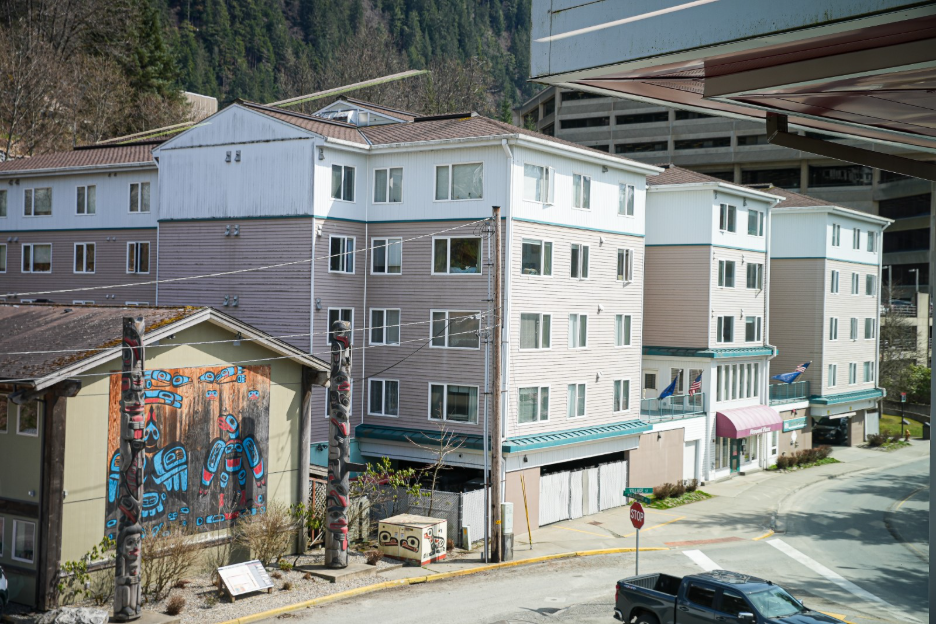 about whether residents can remain in the communities where they work, raise families and build their futures.
It is about whether young people aging out of instability have somewhere safe to go next.
It is about whether someone transitioning out of incarceration can find stable housing before falling back into crisis.
And it is about whether working families have any realistic path toward ownership in markets where the numbers increasingly work against them.
What leaders in Juneau are building is more than individual housing programs.
They are building a housing ecosystem designed to move residents from instability toward long-term opportunity one step at a time.