

NeighborWorks® America’s Community Development Financial Institutions (CDFIs) held a convening in Miami Beach this month, part of the NeighborWorks Training Institute. The lessons from panel discussions to in-depth conversations will last long after the event.
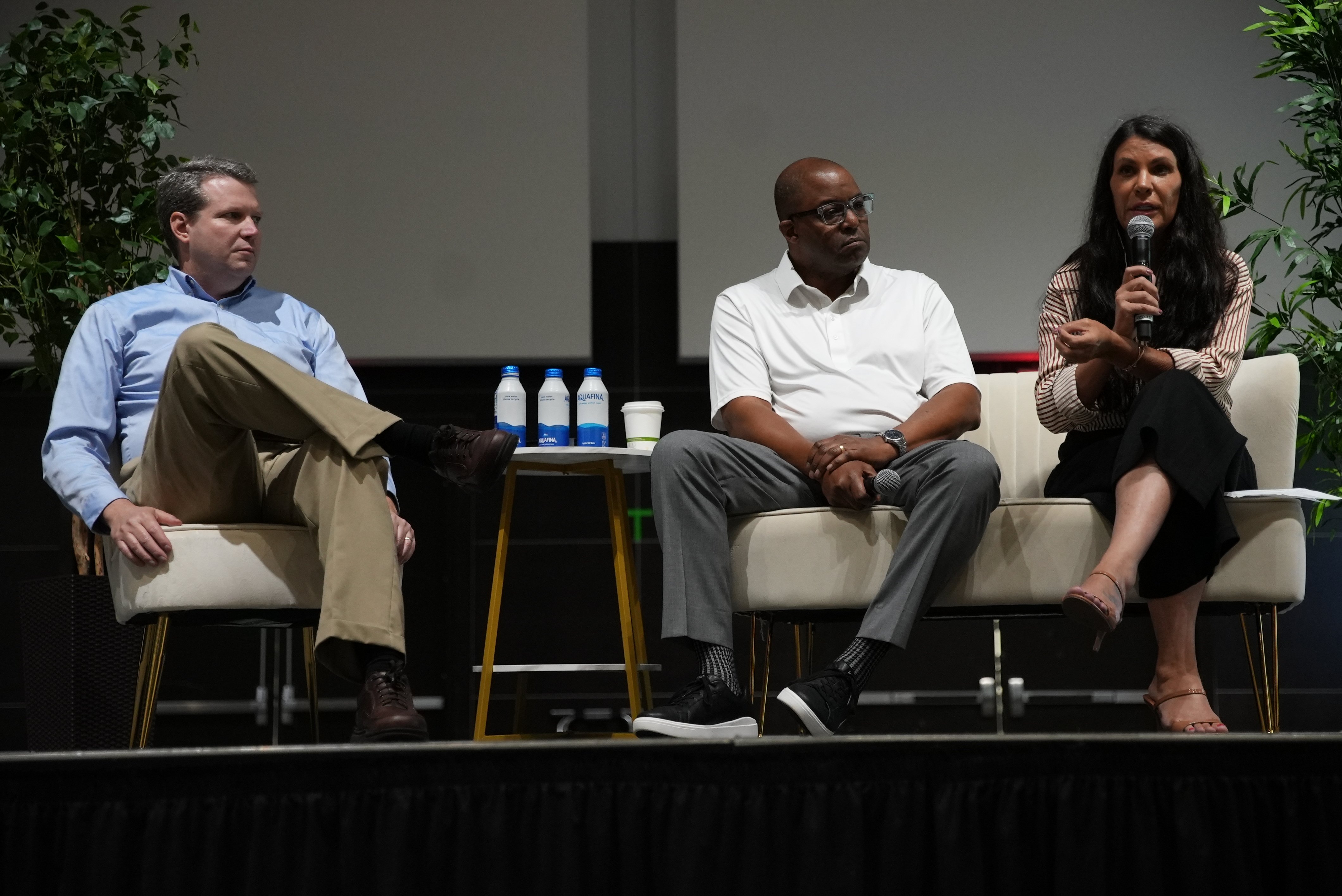
Here’s a snapshot:
Dan Ellis, CEO of NHS of Baltimore, asked: What advice do you have for groups that are emerging CDFIs that are interested in growing?
Chrystel Cornelius, CEO of OWEESTA Inc., Denver, Colorado:
If you are an emerging CDFI, Cornelius is betting any established CDFI you reach out to would be willing to share information.
“We share,” Cornelius said. “We don’t hoard information. So the first thing I’d do is reach out. Look at what you want to do, find those growing points. Are you wanting to grow your balance sheet holistically? Are you wanting to grow your portfolio? Do you need to grow your investment? Look at your CDFI partners that have done well and ask what that looks like. Ask for introductions and look within your region at who funds what and make your own capital list.
“A lot of growing your CDFI is about building relationships. Ask for help and don’t reinvent the wheel. If someone’s done something well, ask for that model, revise it for your community and move onward and upward.”
Darryl Smith, executive director, HomeSight, Seattle, Washington:
“No one is closer to the community than we are, right? So really understanding your market and who you’re serving and what their needs are is incredibly important because you want to be able to take that information, back it up by data and stories, and when you go to a potential investor, convey that story.
“It’s understanding what your market is, what the needs are, and developing products to serve that. I think that attracts other investment and other partnerships.
“Getting a balance sheet built up is super important. Also feet on the ground, in the community. Those homebuyer education classes, taught by someone from your staff, or partnering with another agency on financial literacy – all of those things really matter.
“My staff is out a lot. We do community development work, we’re a developer as well. We put on festivals and do economic development. To me it all ties together and frankly feeds our effort as a lender. They see us partnering with a local school district, talking about financial literacy. All of that stuff matters. And banks come to us and say: I heard about you in this place. Can we talk?”
Dan Ellis, CEO of NHS of Baltimore, Baltimore, Maryland:
“A couple of recommendations I have for folks: One is put yourself in rooms where you can learn. I try to put myself in rooms with people who’ve done it longer and better than I have. I love learning from them. I encourage you to do the same.
“Look for opportunities to turn small wins into bigger wins. Figure out things that go well. How do you leverage those? And then guard your reputation.”
The state and other organizations come to Ellis and other network CDFI panelists to ask them to partner. “It’s because they know we’re going to deliver. But if it’s something they bring you and you can’t deliver it, do not take their money. You will have to say ‘no’ more than you say ‘yes.’”
By delivering, balancing and establishing trust, he said, you will build both your reputation and your CDFI.
Read more about NeighborWorks network organizations and their work with CDFIs. And read more stories and highlights from the Miami Beach NeighborWorks Training Institute.