

Try hiring a builder in Keyes, Oklahoma. This rural town sits more than four hours from Oklahoma City, and few construction workers will make that drive. Even those who do face additional time and fuel costs as they travel to and from the nearest lumber supplier. So the housing that exists in areas like this just grows older and more scarce.
In the small towns close to the edge of the state's major cities, the story takes a different shape. Housing isn't as scarce but as metro prices ripple outward, rents are outpacing wages, and families are finding it harder and harder to stay.
For Jolene, a single mom in a small town outside of Tulsa, costs quickly became unsustainable. “Rental prices in our area were out of control,” she said. “It was looking like $1,500 a month just to stay in my daughter’s school distric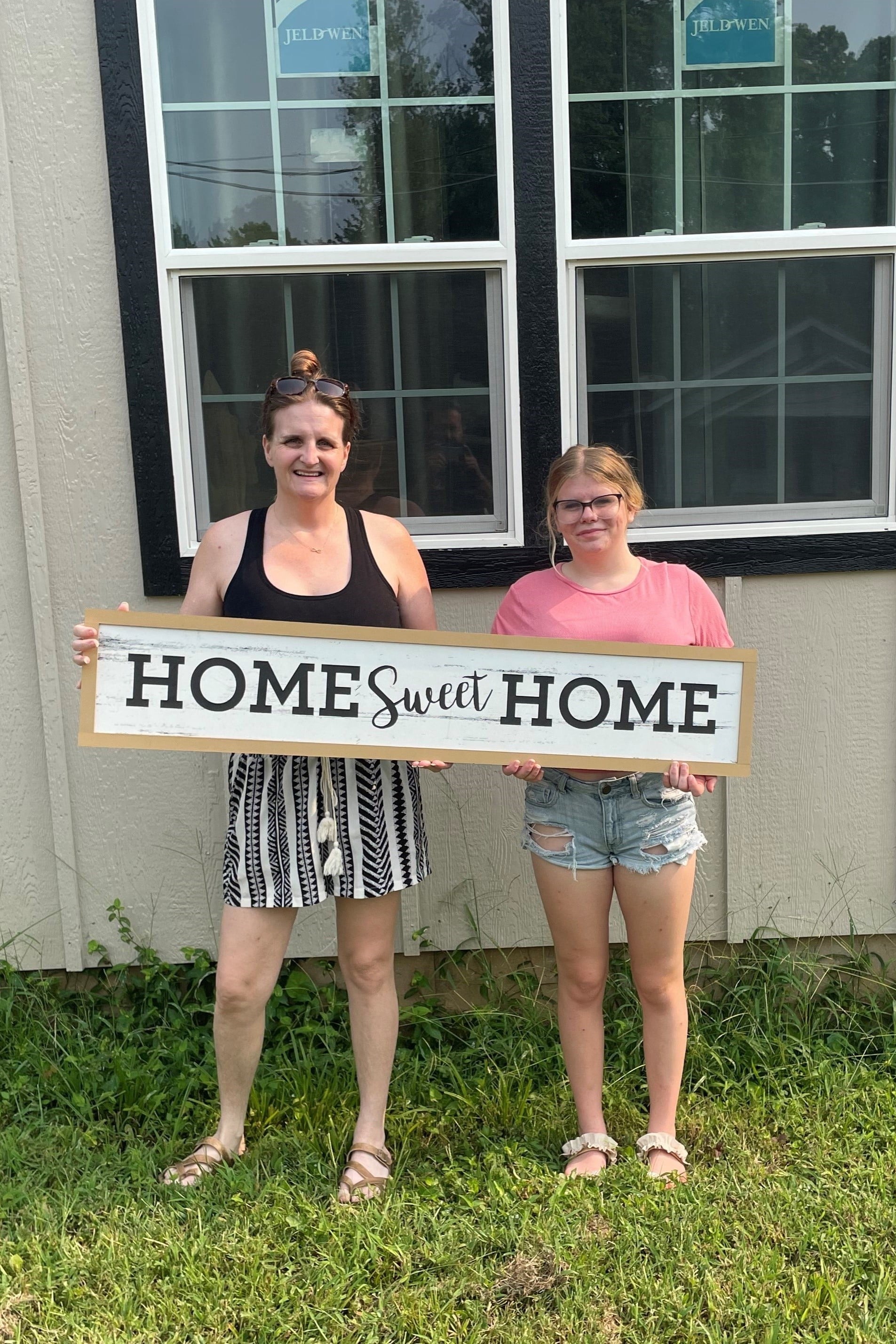 t. At that point my boyfriend suggested looking at buying a house, so I did.” Although Jolene met the criteria for a USDA loan with no down payment, a week before closing, a technicality disqualified her, derailing the entire process.
That’s where REI Oklahoma came in. The NeighborWorks network organization closes the access gap for entrepreneurs, families and homebuyers: Through their Home100 program, they offer down payment assistance that makes all the difference. Because the program partners with more than 35 lenders statewide, geography stops being a barrier: a family in a town with no bank branch has the same access as a buyer in Oklahoma City. In fact, nearly one in four Home100 loans goes to buyers in rural areas.
Vice President of Housing at REI Oklahoma Dena Sherrill stressed that Jolene’s struggle is not unique. “Our clients have good jobs and they can afford to make a monthly payment,” she said. “They just can't save enough for the down payment and closing costs. It's very expensive to buy a home, as far as closing costs go. So this program allows people to be homeowners that may not ever have been a homeowner, otherwise.” Even buyers who have just enough for a home purchase can benefit from the program. A new homeowner with an empty savings account is one leaky roof away from credit card debt.
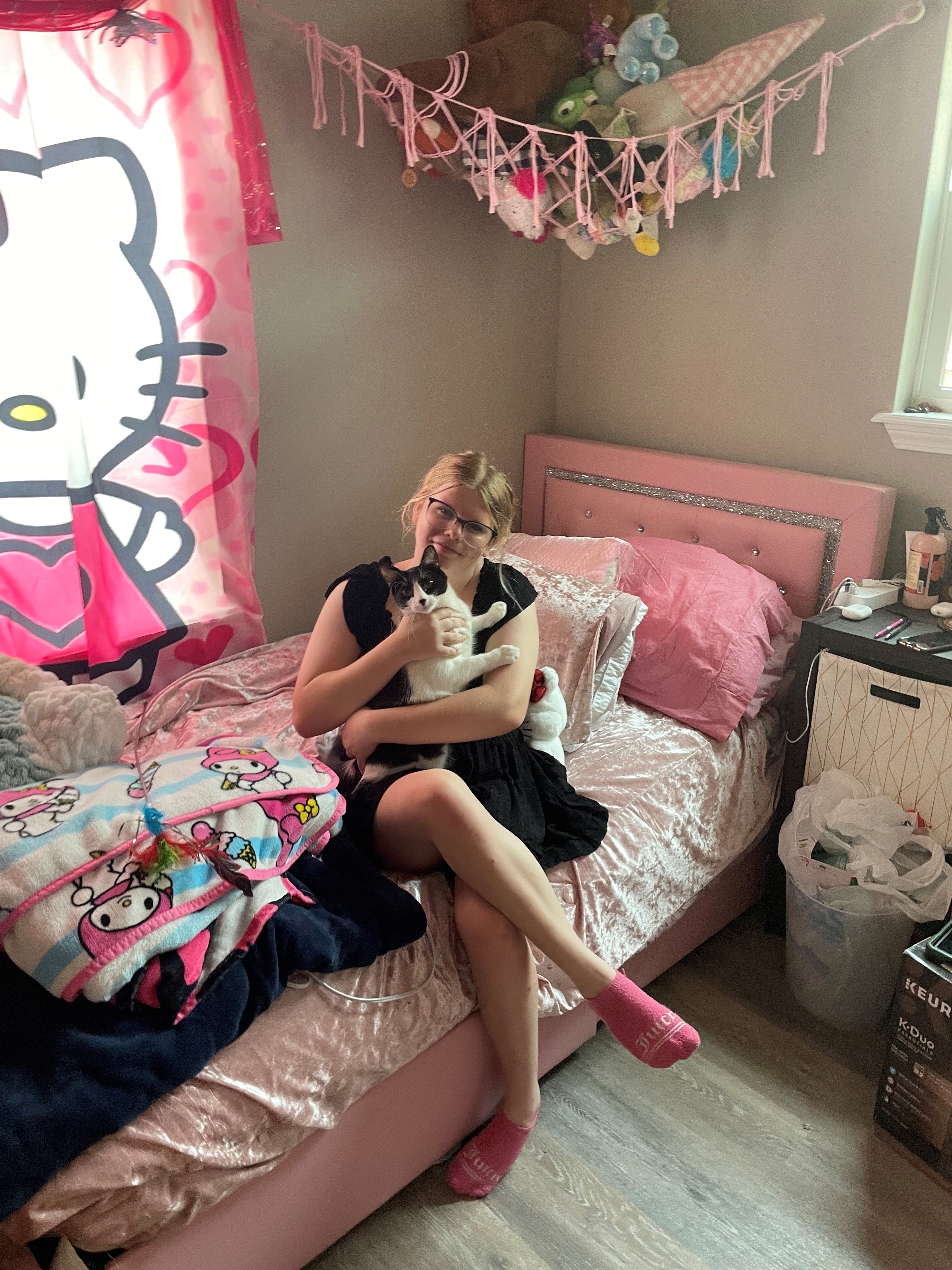
“REI Oklahoma’s help with the down payment is what saved us,” Jolene said. “We would not have been able to do it without that support.” Homeownership gives families like Jolene's more than a roof. “I don’t think I’ve ever been as proud as I was when I took my daughter to the title company to sign.” For Jolene, keeping her daughter Jill in the same school district was essential.
Once they moved in, the new house gave them both the stability they craved and something else – joy in unexpected places. After years with a cramped, dated rental kitchen, the new one is full of light. "My daughter told me, 'Mom, I think I'm going to like cooking in here more,'" Jolene said. "And she's made the best sugar cookies she's ever made here."
Sherrill has watched this type of transformation take place in homes across Oklahoma. Homeowners take a deeper pride in their properties, she said, and helping first-generation buyers cross that threshold has been among the most rewarding parts of the work. As one of their lenders put it: “The best down payment assistance programs don’t just help people buy a house. They create opportunities to build wealth, stability, and a place to call home. That’s exactly what REI Oklahoma was designed to do.”
Sherrill stresses that homeownership doesn't just improve one family's quality of life. It strengthens the whole community. She explained, “Homebuyers are going to want to paint their house. They're going to want to buy furniture. They're going to want new appliances and do some remodeling as they go along, that fuels the local economy and continues to help the community as a whole.”
Down payment assistance isn't unique to Oklahoma. With the right conditions in place, other organizations can replicate the model in the right way for their communities. Across NeighborWorks America’s network, organizations work closely with each unique place, studying the local needs and meeting challenges.
Sherrill advises that anyone launching this type of program get to know the ins and outs of the mortgage business. There are a lot of prerequisites needed for the program to be successful. “It’s a volume-based product,” she explained. “You’d have to cover several counties or a whole state to make it work. You would need some of your own funds if you’re going to do an amortizing second mortgage.”
It can be complicated to keep this initiative running smoothly, especially with constantly evolving federal regulations. But for the more than 9,500 Oklahoma families who now own their homes because of it, the effort is worth it.