

After years of conversations and planning, the Fort Hall Housing Authority, the Shoshone-Bannock Tribes and NeighborWorks Pocatello recently developed a down payment assistance program that expands access to homeownership both on and off Tribal land. The Tribal Council approved the agreement this month, marking an important milestone in a partnership built on trust, collaboration and a shared commitment to addressing housing needs.
In a way, 12 hours of travel delays helped forge the partnership that created the program – possibly the first down payment program by a non-Native nonprofit on tribal land – in rural Pocatello, Idaho.
Heather Burt-Gross, then director of lending and counseling for NeighborWorks Pocatello, had been on her way to a Native Partnership Gathering in California when travel delays upended her plans. 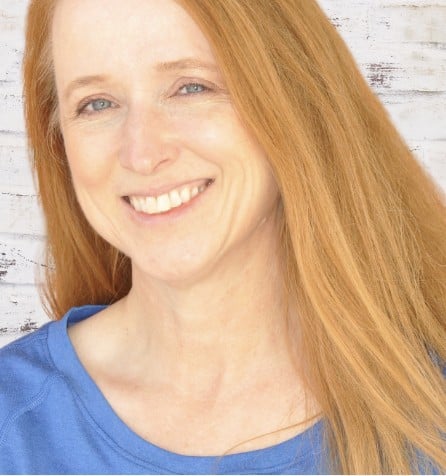
After missing the first of two connecting flights, she rerouted through Seattle, where she crossed paths with Taryn Shoyo of the Fort Hall Housing Authority. Though the two had worked together professionally, they had never met in person. But a scholarship from NeighborWorks® America was sending them to the same place, to learn about Native Community Development Financial Institutions, and more.
Soon, they were sprinting together through the airport to catch a connecting flight and waiting. And waiting. They finally arrived in California only to discover Burt-Gross's luggage had been lost and that their rental car reservation was useless because the agency had run out of vehicles. The last open rental agency offered to rent them a truck for $1,200 a night. (“What part of ‘nonprofit’ do you not understand?” Burt-Gross remembers thinking. “We may as well just buy a new car,” joked Shoyo.)
When they finally arrived at the hotel after midnight via Uber, they were told their room wasn't ready and the cleaning staff had already gone home. Along with staff from another NeighborWorks network organization facing similar challenges, they found another hotel and shared a room for the night.
"So now we had gone from not knowing each other to sharing not just a room, but a bed," Burt-Gross said.
"We just kept laughing," Shoyo said. "Every little thing that happened along the way, we just rolled with it."
Said Burt-Gross, "It was either that or cry."
Between the delayed flights, lost luggage and long hours waiting in airports and hotel lobbies, the two also spent hours talking about a challenge they both wanted to solve: creating more access to down payment assistance for members of the Shoshone-Bannock Tribes both on and off Tribal land.
But there were intricacies that needed to be worked out. If Tribal members built homes on individual allotted trust land and NeighborWorks Pocatello was providing assistance, for instance, what would happen if the homeowner fell into arrears and couldn’t get back out? In a normal foreclosure situation, a bank could take control of the home and resell it. But if the home was on Tribal land, the Shoshone-Bannock Tribal members wanted to be sure that it would only go to another Tribal homeowner, something Burt-Gross understood.
Working out a plan
The trip, with a focus on Native partnerships and Native community development financial institutions (CDFIs), sealed the trust and the tribes and NeighborWorks Pocatello worked on a memorandum of understanding, with language that took in land concerns.
Working with NeighborWorks Pocatello, too, had the added bonus of making assistance available to Tribal members who didn’t live on Tribal land, something the tribe’s own Housing Authority is unable provide. “We’re restricted to the boundaries of the reservation,” Shoyo explained. 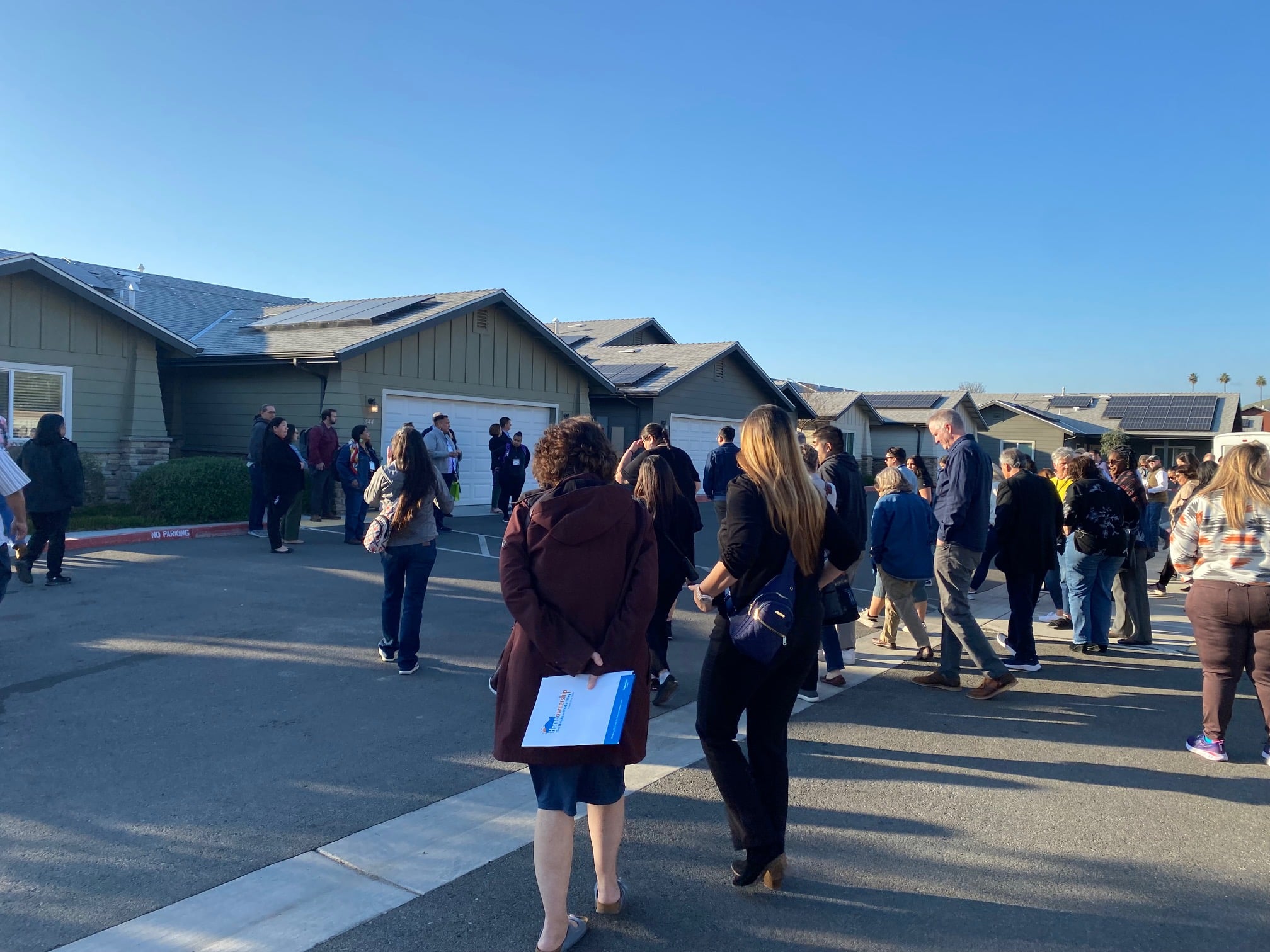
Recently, the housing authority received funding to help 10 families buy homes. “For probably 15 years we haven't done down payment assistance because we didn't have a lot of people interested,” Shoyo said. As interest grew, she went through more training and began reaching out to people through the Tribal credit office, letting them know that assistance was available. “There is a great need for housing on the reservation.”
Not everyone is ready to be a homeowner or for the responsibilities it entails, and that’s fine, Shoyo said. “Our waiting list for rentals outweighs our waiting list for homeownership.”
But there are enough homes needed that the tribes wanted to look at all angles for solutions.
More trust, more solutions
The Fort Hall Housing Authority recently received a grant to build 30 homes, 15 that will convert to lease to homeownership after five years and 15 homeownership units. Shoyo's excited about those options, too, she said. Still. “That’s going to help 30 families but what about the rest of the families on the reservation?”
So Shoyo and Burt-Gross are discussing teaming up to do a housing needs assessment for the reservation. 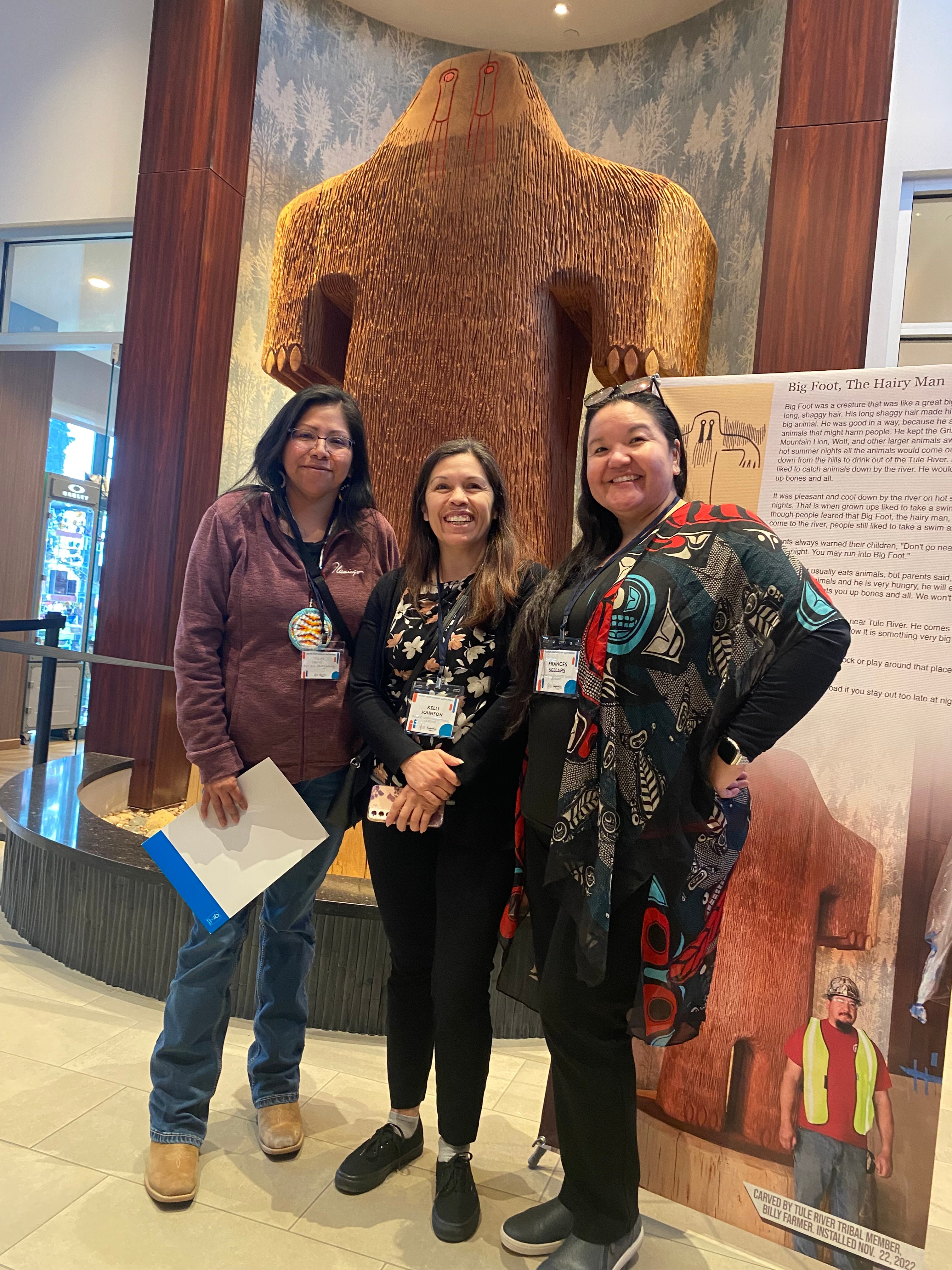
“Most of our land that we have that the tribes own is agricultural, farming land,” Shoyo explained. The agriculture work generates revenue for the tribe. “But if they take that farming land and convert it to housing, then that's going to be a financial burden for the tribe.” That’s where apartment-style living might make sense, housing more people with a smaller footprint that could appeal to younger people and bring them back to the reservation.
A needs assessment will give the tribes the numbers they needed to strategize, Shoyo said. “We're always going to have some sort of housing issue. But if we could tackle as much as we can with what we have or maybe do it a little differently, I think we can make a bigger impact.”
Even without the numbers, she said, it’s clear that more needs to be done to help people find safe places to live. She reads constantly about the housing crisis in Indian Country. “I always wonder what can we do that's different to help our people live better, or live in a way that's safe.”
The California Native Partnership Gathering, hosted by NeighborWorks America and the Native CDFI network, opened her eyes to some of the possibilities, especially the tour of the land owned by the Tule River Tribe. “To see that project come to life was amazing,” Shoyo said. “We always talk about our own projects and dreams, so to see something that’s realized is phenomenal.”
Next steps
NeighborWorks Pocatello stands ready to help the tribes see what’s possible.
Once Burt-Gross and Shoyo, along with TJ Tso, who works with the Sho-Ban CDFI and Navigator program, had established trust, NeighborWorks Pocatello started looking for model for an agreement to start providing assistance.
“I didn’t want to reinvent the wheel,” Burt-Gross said. But she found no models near what she was imagining – amortized loans instead of forgivable ones. The Shoshone tribe provided a lawyer and together, they worked through some provisions, creating the rider that would mean if the first owner of a home on Tribal land vacated, the person to take over that land must already be lease-eligible for a home on the reservation. When they were done, they took it to the Tribal Council for review. The plan was approved at the Tribal Council meeting on June 2.
“We are just waiting for signatures to make it official,” Burt-Gross said. They already have a Tribal member on leased land ready for a home improvement – a home in dire need of new siding and a new roof.
Tso (who had a great flight to California with no hiccups) works in an office that falls under the Tribal Housing Opportunities Program. Those clients, he said, people who typically work at the Casino or with the Tribal government, often have higher incomes than the clients the who work with the Housing Authority.
His committee was formed to purchase land that once belonged to the tribes and either keep it as fee-status land (if there’s already a house there) or apply to turn it back into trust land. They also buy homes on the reservation owned by non-Tribal members and offer it back to tribal members at a lower rate. “Our ultimate goal is to ensure that our Tribal members can afford houses without having to go through a land application process, which can take years and years to do.”
Once they have the land and the infrastructure, his organization will set up a lottery to sell the land back to a Tribal member. The homeowner would then have six months to work out the financing. 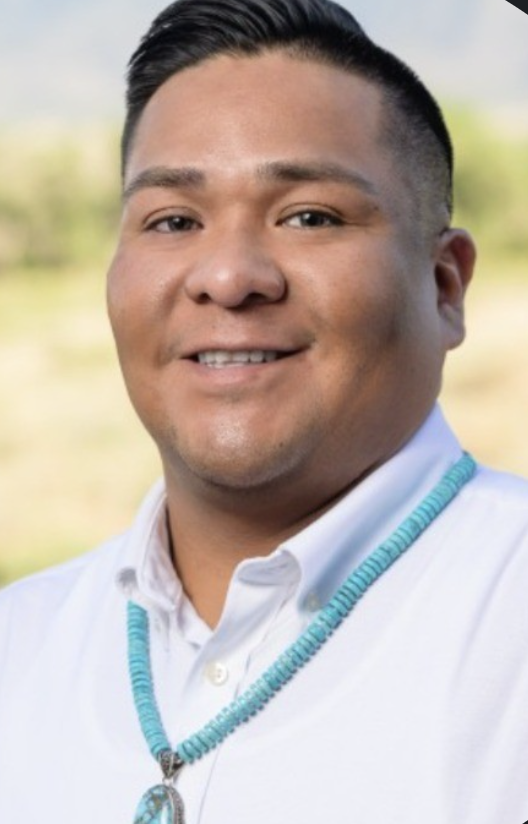
Burt-Gross hopes to be able to layer grant funds, and to figure out how to make more funding available to people with leased land. She is part of an Idaho Native Coalition working on lending ideas that can be scaled. “We’ve been talking about this for years,” Burt-Gross said. “We just needed to figure out how to do it, how to make it work. We understand that the tribes want to retain sovereignty.”
On the road to trust, Burt-Gross took a course through the NeighborWorks Training Institute several years ago, Developing Successful Partnerships with Native Organizations. That helped her understanding even before flight issues helped solidify the trust, she said. (The course will be offered again at the NTI Miami Beach this summer.)
Trust and stewardship
“This year, the United States is celebrating 250 years of its Independence,” said Mel Willie, who served as senior director of Native American Partnerships and Strategies at NeighborWorks America for four years. Willie now works with NeighborWorks in a new role at Oweesta Corp, as Chief Officer of Strategic Partnerships.
“Our on-going relationship with Native communities has similar significance,” Willie explained. “Deep in the fabric of the United States and our living on these lands is this relationship of trust with Native communities -- not just the personal trust we build but the overall way that we show up to recognize that Native people, their government, stewardship of the lands and overall existence alongside all of us is deeply meaningful.”
Willie, who set up the partnership gatherings while at NeighborWorks, said that when we understand and honor those basic principles, we can finally come together for productive dialogue and conversation. “NeighborWorks has many ways we can leverage our resources to make an impact in Native communities, but we also have the unique opportunity to learn from our Native partners about building sustainable communities and perpetuating valuable knowledge while bridging innovation and prosperity. The trust comes when we stop trying to impose our solutions but build mutually beneficial solutions through trustful relationships.”
The partnership between NeighborWorks Pocatello and the Shoshone-Bannock Tribes is one such example.
Tso said the tribes' relationship with NeighborWorks Pocatello is ongoing. “Historically, we have had people that come out and try to help us. They’re around for a year or two and then they’re gone. But we don’t need temporary people to pretend to help us. I feel that with NeighborWorks, they’ve been consistent with us. It’s reciprocal and it doesn’t feel artificial.”
His goal, he said, is eventually to be able to offer down payment assistance through the tribal CDFI. “But for now, we are fortunate and lucky enough to partner with NeighborWorks Pocatello and have them guide us.”