

For more than 20 years, Marie Shelton rented the same three-bedroom house in Charleston, West Virginia. Today, she owns it.
“I raised my kids in this house. Grandkids too,” she said. It’s just blocks from her office at the West Virginia Department of Transportation, with a big backyard and multiple fireplaces that she decorates for Christmas and in the fall.
Shelton’s path to homeownership started with an ultimatum: Her landlord had decided to sell the place that she called home. If she didn’t buy it, the landlord said, she would have to move.
She started looking around, “but I couldn’t find another house as nice as the one I was living in. And I’d already put so much money and work into it,” she said. “I decided to buy it.”
But that meant qualifying for a loan. And though she felt mentally ready to own a home, she still had more work to do meet the qualifications necessary.
One afternoon, when Shelton went to the hospital to visit a sick friend, the friend mentioned CommunityWorks in West Virginia, a NeighborWorks network organization with a mission to create housing and community development solutions in the state. Shelton contacted them immediately, “and they just got the ball rolling for me.”
To prepare for homeownership, she had to start with getting her credit “straight,” she said. She had helped one of her kids with a car, which had added to her debt. She also had to come up with a downpayment, and a way to finance ever-escalating home insurance.
CommunityWorks helped her come up with a plan and Shelton followed it. In January of 2024, her home became her own.
“The thing that feels different is I know it’s mine,” Shelton said. “I’m paying a mortgage instead of rent. I think I bought this house two times over just paying rent.” 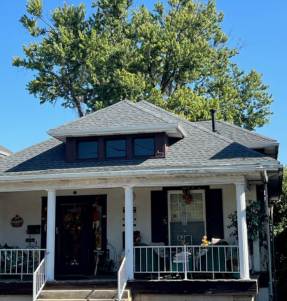
CommunityWorks helped with improvements, too, like a subsidized loan to provide a sturdy, new roof. But the start of the project was a loan to help repair her credit. That loan program offers clients a small, unsecured loan to help remove barriers to homeownership, including paying off delinquent debts of up to $5,000. That way, clients pay off debt and establish good credit at the same time.
“We can start reporting a good loan,” explained Craig Petry, executive director of CommunityWorks. The program is still in what Petry refers to as “pilot” phase. But so far, there has been marked success. Of the first 10 people who took out the loans, three became homeowners. And that includes Shelton.
“Now she has a cute little home with a new roof,” Petry said. She’s also received a promotion at work and purchased a newer car for herself.
“It was the first car she bought that wasn’t at high interest,” Petry said, “because she had better credit. It’s not just the housing piece for us; it’s the whole picture. I think it impacted so much more than where she laid her head down at night; it impacted her outlook on life.”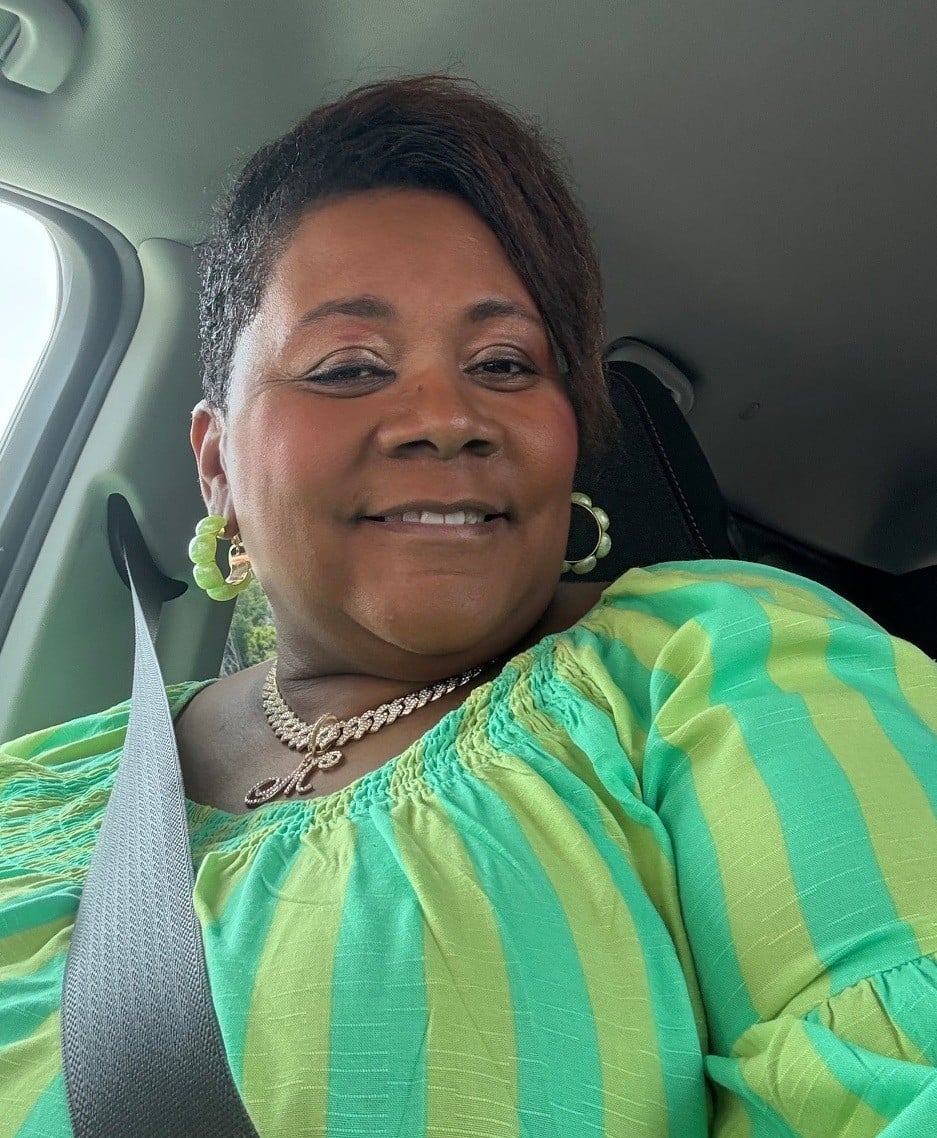
Shelton, meanwhile, has become an unofficial spokesperson for CommunityWorks – and for homeownership. One friend refinanced her mortgage with the help of CommunityWorks, at Shelton’s recommendation. A friend’s son used the loan program. Another received help getting her credit in order.
“I think I’ve sent 10 or 20 people out there,” Shelton laughed. “Anyone who sits and talks to me and needs help – I refer everybody there.”
West Virginia has some of the most affordable housing in country, and also the highest homeownership rate, Petry said. “We have a lot of small homes in our urban areas.” But many of those houses are in disrepair. Many are older. And with the state’s “Wild and Wonderful” tourism, people come from all over to purchase a second home, competing against those trying to buy their first. With a new steel mill coming in, Petry said his region is short on stable, available homes. That’s what he wants to provide to area residents. The loan program, established to remove barriers, is a way to help community members qualify for a new mortgage and the homes that are available.
Applications include the stories of the borrowers. “Stories matter,” Petry said. “We read the essays and walk through their stories, understanding what happened in life, and helping them fix that.”
Clients walk in with so much hope. “We haven’t done a loan closing that doesn’t involve tears because a lot of them didn’t think they’d have a chance again,” Petry said. “It’s an opportunity to get things fixed and if they do it right, it can really change their life.”
Shelton has some advice for others looking toward homeownership. “Don’t rush in,” she said. “And trust the process. If you want to be a homeowner, there are so many options – things I didn’t even know existed.”
Her final words of advice? “Don’t give up on your dreams,” she said.