

Affordable housing and “dream homes” aren’t often part of the same conversation. But at come dream, come build (cdcb) in Brownsville, Texas, they’re one and the same. cdbc’s award-winning program, DreamBuild, creates volumetric modular grow homes – houses that are built in a factory, installed on-site and can easily be expanded as residents’ needs and finances shift. It's the type of regional solution that the NeighborWorks network is known for.
The roots of the DreamBuild model, first known as Rápido (Spanish for “quick”), trace back to 2008, when Hurricane Dolly destroyed countless homes and cdcb saw the urgent need for faster, more efficient home construction to meet immediate housing needs. Years later, in 2020, cdcb decided to implement this initiative as a solution to the long-term housing crisis. The model, at that point known as MiCasita, was selected as one of six winners of the nationwide “Housing Affordability Breakthrough Challenge,” resulting in a grant from Enterprise. 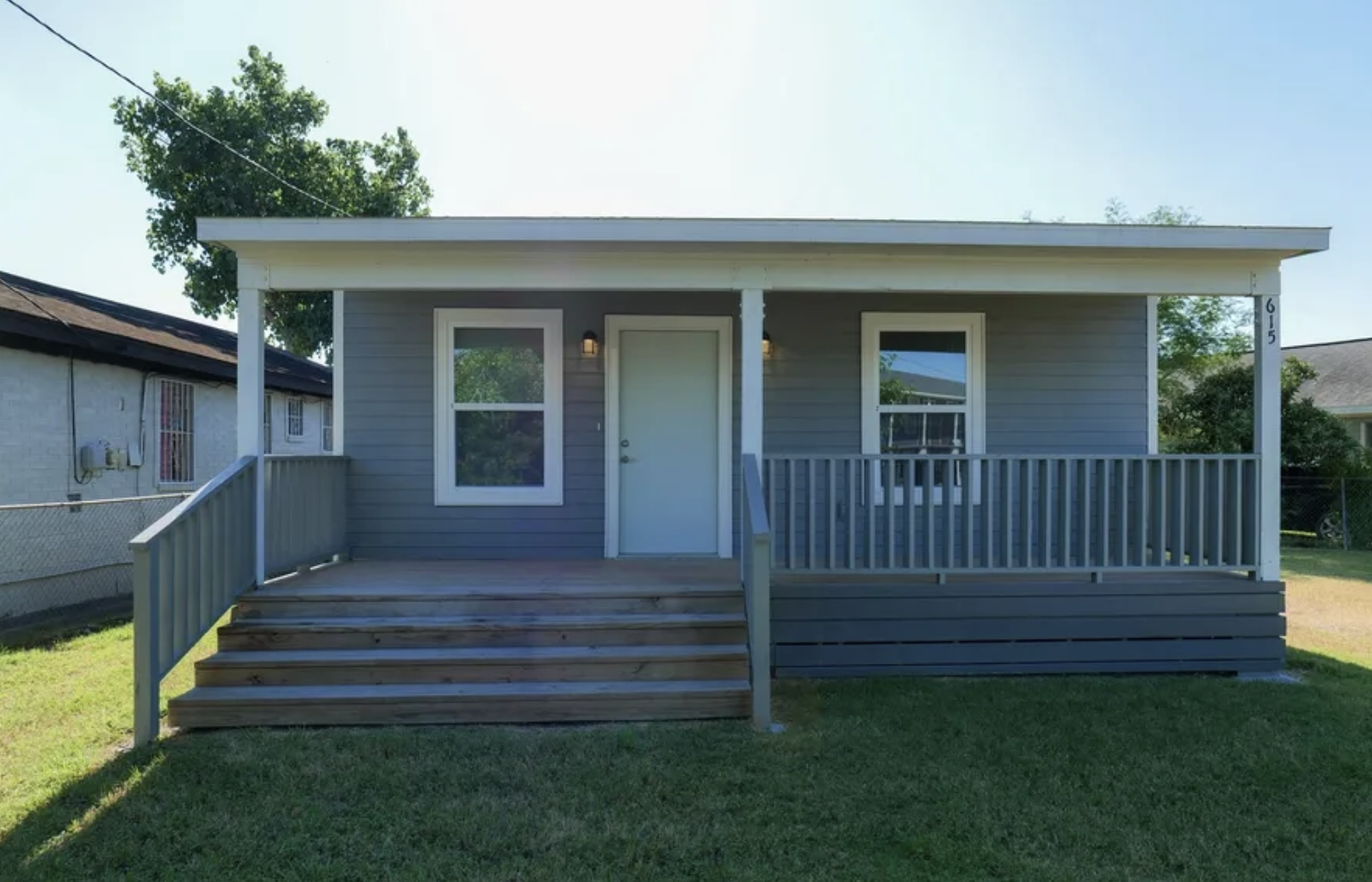
MiCasita continued to thrive, receiving ongoing funding from JPMorganChase, and earning a feature in the National Building Museum in Washington, D.C. So why the name change? As young homeowners collaborated in the design of their homes, cdcb realized that MiCasita felt far too modest for individuals who had big dreams and aspirations. One client shared, “Yo no quiero mi casita, quiero mi casota!” meaning, “I don’t want a little house, I want a big house!” That’s something DreamBuild can offer.
A DreamBuild house starts with as little as two “boxes” and can expand to up to five. With room to grow, this home can be expanded to include more bedrooms and larger living areas. But helping clients build their dream homes isn’t just about the size. Residents truly have the opportunity to make the house their home. “We really want to leave the clients with choice. We want to empower them,” shared Blanca Marquez, chief operating officer of cdcb. “That empowerment begins with them choosing the color of their walls, the type of flooring, the finish of the countertops. We have a digital design system where the customers can go in, and based on their budget, they can make selections.” Even with this level of customization, DreamBuild homes remain within reach for working families, with most priced around $190,000.
Carlos, a father of two, shared that cdcb made the journey feel seamless from start to finish. “All of the paperwork, since I started, it was a very simple process for me… They cleared up many of my doubts, helped me and resolved my questions.”*
Ensuring that the process is user-friendly and supportive is intentionally built into the model. Marquez points to this integrated approach as a key reason the model works. “We incorporate counseling and financing into our ecosystem, which I think is one of the things that has made us very, very successful,” she explained. “We really prepare our clients for homeownership. If they don't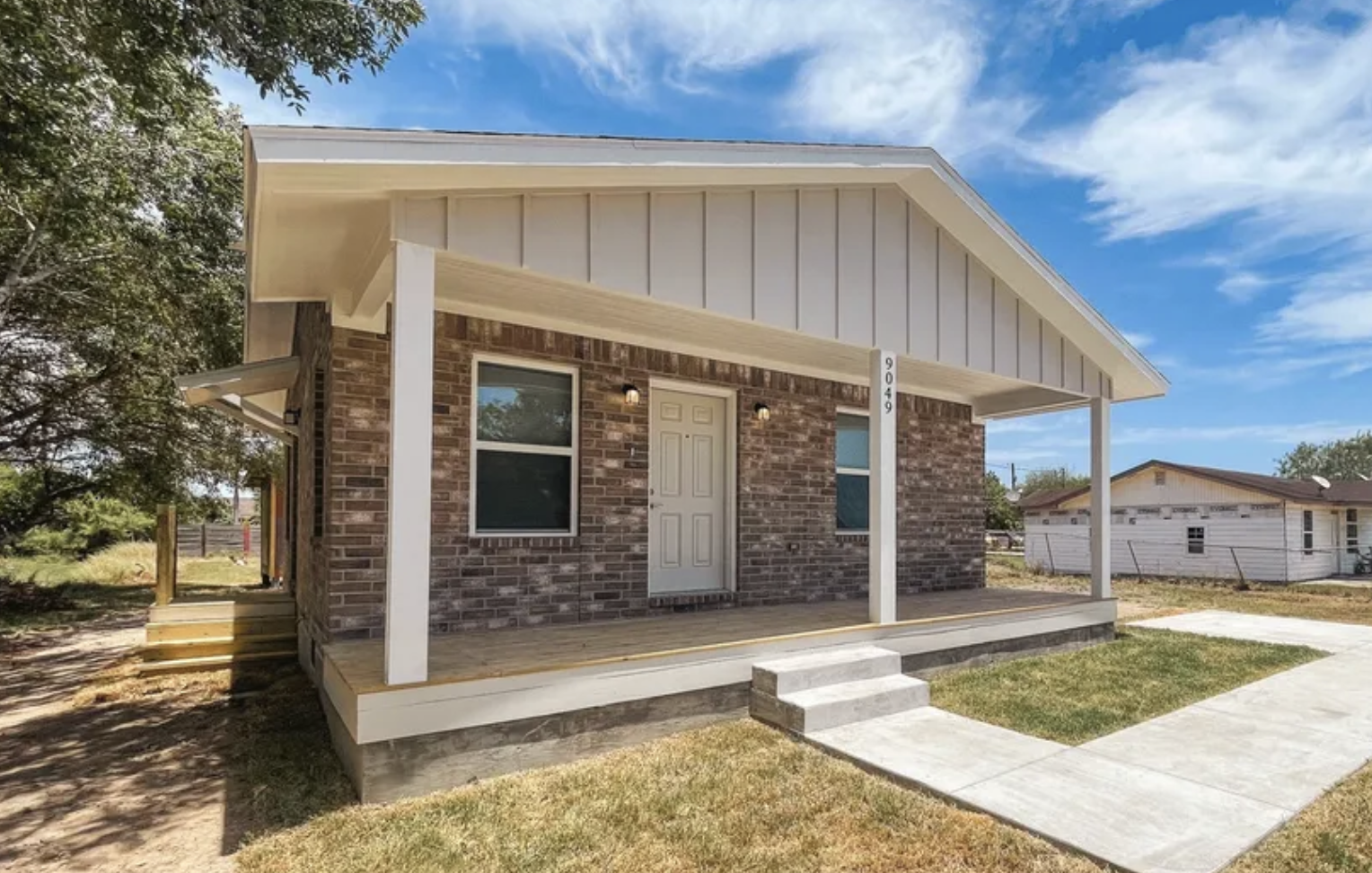 qualify, when they walk through the door, we work with them through our counseling department to help them, whether it's increasing their FICO score, increasing their savings, or securing an additional credit card, our counseling team is phenomenal.”
So far, DreamBuild has completed nearly 30 homes like Carlos’s across the Rio Grande Valley. But more is on the horizon for this work. cdcb consistently incorporates customer feedback to improve their housing design. Homeowners have requested everything from additional kitchen storage to a simple door leading to the back porch. No change is too small, as the organization works to perfect the blueprints for these dream homes. The thoughtful refinements, paired with an increasingly efficient production model, are fueling rapid growth. The team is on track to complete nearly 50 homes in 2026 alone, with each home taking only 45 days to complete.
What started in the Rio Grande Valley is expanding well beyond it. With franchise partners bringing the model to other states, DreamBuild has proven it’s more than a local success story. They currently have three franchisees: Webuild in Conway, Arkansas, Coleman Action, in Coleman Texas and bcWorks in Dallas, Texas. By combining factory-built efficiency with integrated counseling and financing, cdcb offers a scalable approach to affordable housing that other communities can thoughtfully replicate.