


Organizations need training to meet challenges. But in rural locations across the country, that training can be hard to come by – and hard to reach.
That’s why NeighborWorks® America teamed up with four other national rural housing intermediaries this summer to offer a training program in Jackson, Mississippi. The idea was to pool resources to give a boost to regional organizations doing on-the-ground development work in their communities. 
The participants included emerging developers who wanted to learn more about the basics of affordable housing development, board governance, and succession planning for their organizations. And the intermediaries leading the training included NeighborWorks, the Housing Assistance Council, Habitat for Humanity International, Rural LISC and Enterprise Community Partners.
“The goal was to intentionally collaborate and work toward moving the dial in places where it's been hard for us to move it alone,” said Sarah Kackar, senior director of Rural Initiatives at NeighborWorks. “We chose the Delta region this round because it’s been chronically under-resourced.”
All of the organizations involved with the training work closely with HOPE Enterprise Corp., which hosted the event.
“It’s so hard for small CDCs and developers to get to large national trainings, to pay for travel and pay for conference fees,” Kackar said. For this event, all 20 participants were able to drive. The intermediaries provided the training at no cost. 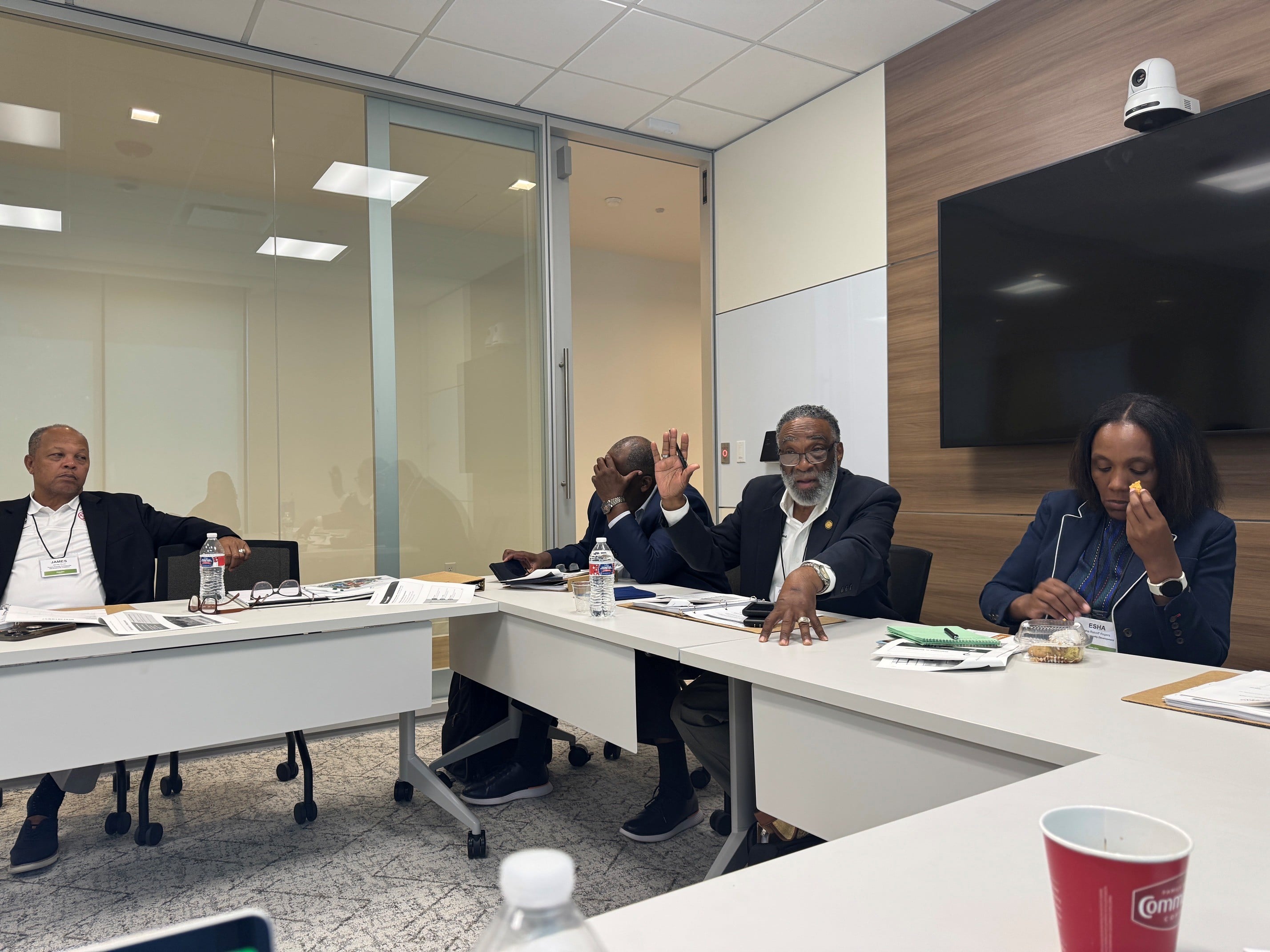
Participants toured HOPE’s new economic empowerment center, met with trainers, and learned about possibilities.
“We wanted to make sure these were trainings that were provided by rural specialists who knew board governance and affordable housing development from being on the ground in rural,” Kackar said.
Adrian Brown, executive director of Delta Housing Development Corporation in the heart of the Mississippi Delta, appreciated that distinction. He’s one of those for whom training has been too far away – especially when he wasn’t sure, ahead of time, of the benefits on the other end. Now that he knows, he said he plans to sign up for future training institutes through NeighborWorks.
His organization is one of the oldest housing agencies in the state. But with multiple staff changes, he knew the training in Jackson would benefit the whole organization.
“It was awesome to sit down and meet other people that are in the field, doing the same type of work, and to be able to bounce ideas off other people that was in attendance,” he said. “The peer learning approach was very beneficial.”
Delta currently has a new self-help housing program the organization is kicking off, along with two other developments, with lots to be subdivided and developments to be planned.
“Rural development looks different in different rural areas,” Brown said, and jobs are often connected to the few industries that are housed there. “That’s different from being in a metropolitan area where jobs are more plentiful and people can select the subdivisions where they want to reside.”
In metropolitan areas, “a for-profit developer that will go in and develop 50 to 100 units, and have the houses presold before the development is even finalized,” Brown said. In rural areas, especially those that are dealing with poverty, housing development is often dependent on nonprofit programs. 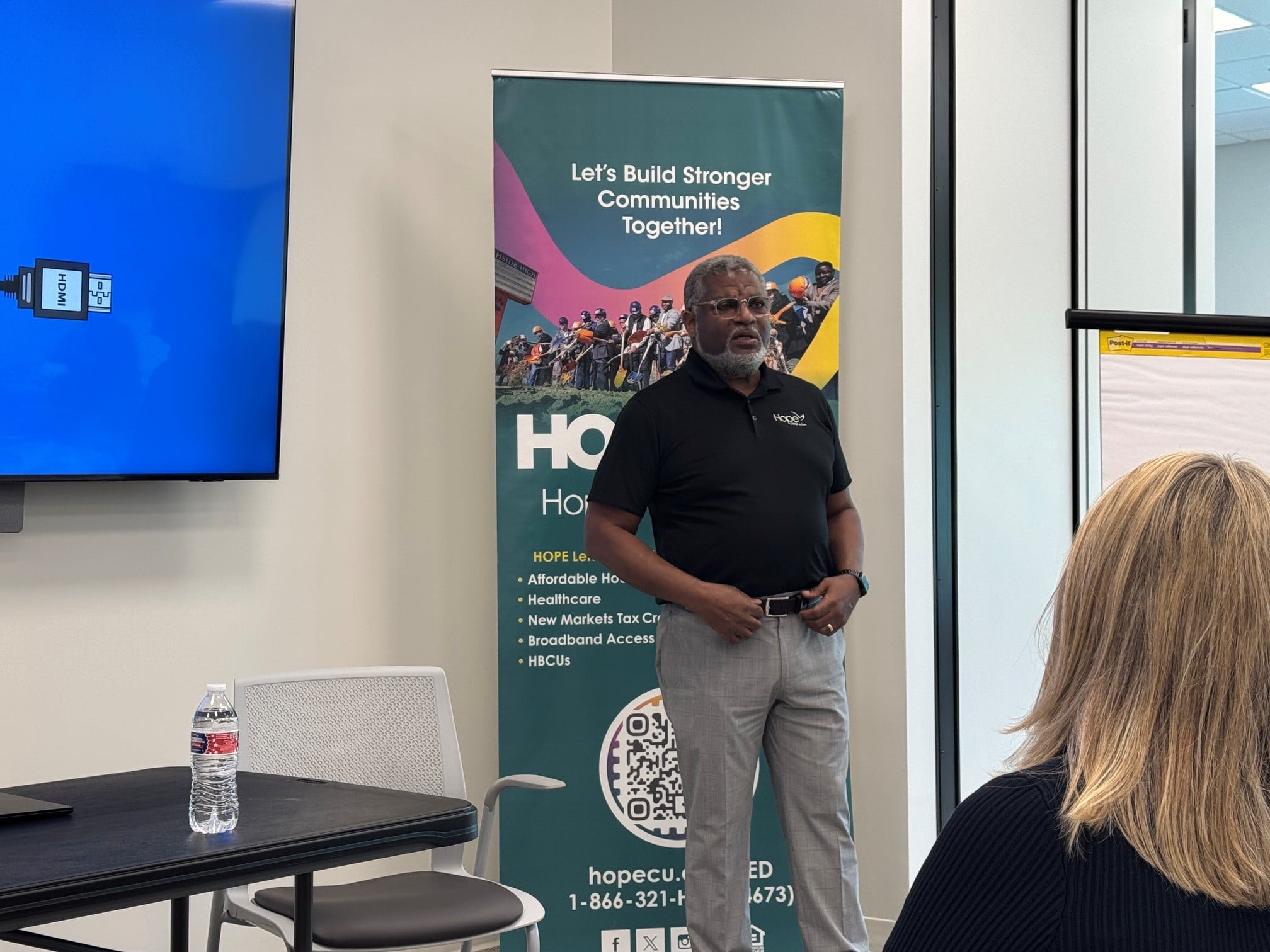
Understanding the community is key, Brown said. The elected officials. The residents. The best way to diversify programs for each particular location. And potential partnerships.
“We align ourselves with partners because we know we can’t do this work alone,” explained HOPE Executive Director Bill Bynum.
Brown’s biggest takeaway from the training? “Housing development is steadily evolving, and there's no cookie-cutter approach to it,” he said. “You can’t just read Housing 101 for Dummies and understand the basics. And even if you understand the basics, you can’t follow that as a script because it doesn’t mean the script will work for that particular community.”
The training, he said, gave him new insights.
Kackar said the housing intermediaries were encouraged by the training and by the feedback. They plan to meet again in the fall to discuss the potential for future joint efforts.