

I am so fortunate to be working for an organization that believes every community is a place of opportunity. NeighborWorks America’s network serves all 50 states, the District of Columbia and Puerto Rico, and communities within each. But there are still hard-to-reach communities that present new challenges to the affordable housing and community development industry. I visited some of those communities this spring during a trip to Guam, to tour an area that had been struck by disaster the year before.
It took 20 hours by plane to get there, but in a way, it also took years.
NeighborWorks first visited Guam in October 2019 at the invitation of Governor Lourdes Leon Guererro. At the time, NeighborWorks America staff and board-of-director partner agencies FDIC and the Federal Reserve Bank of San Francisco met with Guam government agencies, financial institutions, and other organizations to learn about affordable housing needs and community development challenges. Then, were were hit by the pandemic – one type of disaster – which disrupted our momentum.
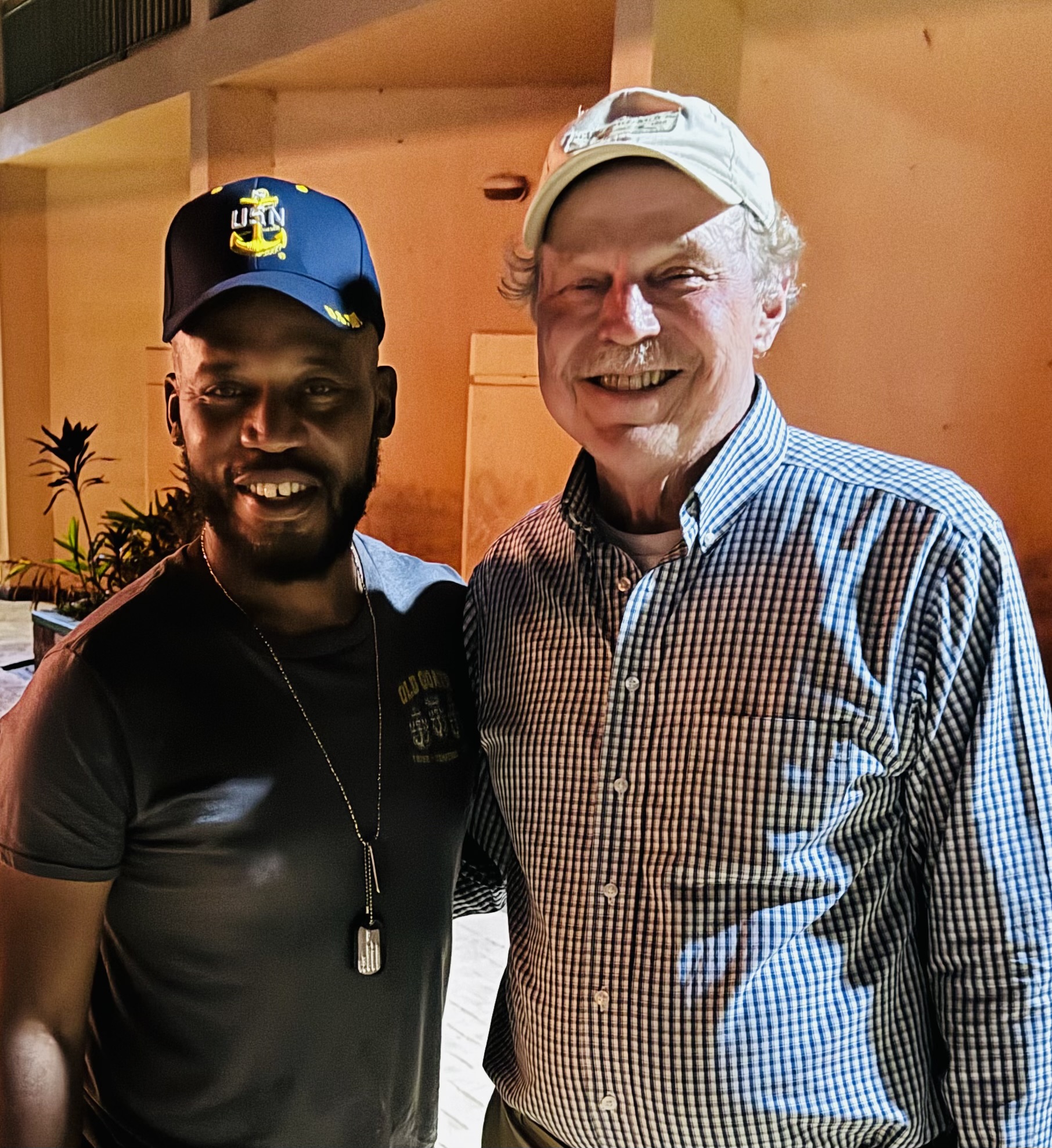 We continued to meet online to learn and explore ways to elevate the needs and housing conditions found in Guam. We expanded our group as we explored strategies to support Guam’s infrastructure. In May of 2023, Typhoon Mawar, a super typhoon, disrupted our next planned in-person visit, and left even more devastation in neighborhoods that had been struggling with adequate infrastructure and ownership. This spring, we made it back to the island.
Supporting disaster recovery efforts
The subdivisions on the north side of the island are primarily occupied by people from the Free States of Micronesia. These immigrants from surrounding islands moved to Guam in the early 2000s in search of better opportunities and purchased lots in subdivisions like Gill Baza, Gill Breeze and Zero Down.
NeighborWorks had provided Rural Community Assistance Corporation (RCAC) with a grant to conduct a needs assessment for these neighborhoods, and we had pulled together other groups to see if we could help. It was only natural when the typhoon hit to see what resources we could apply to mitigate some of the additional damage. It was an opportunity to draw attention to the challenges these residents were facing, and to attract additional resources.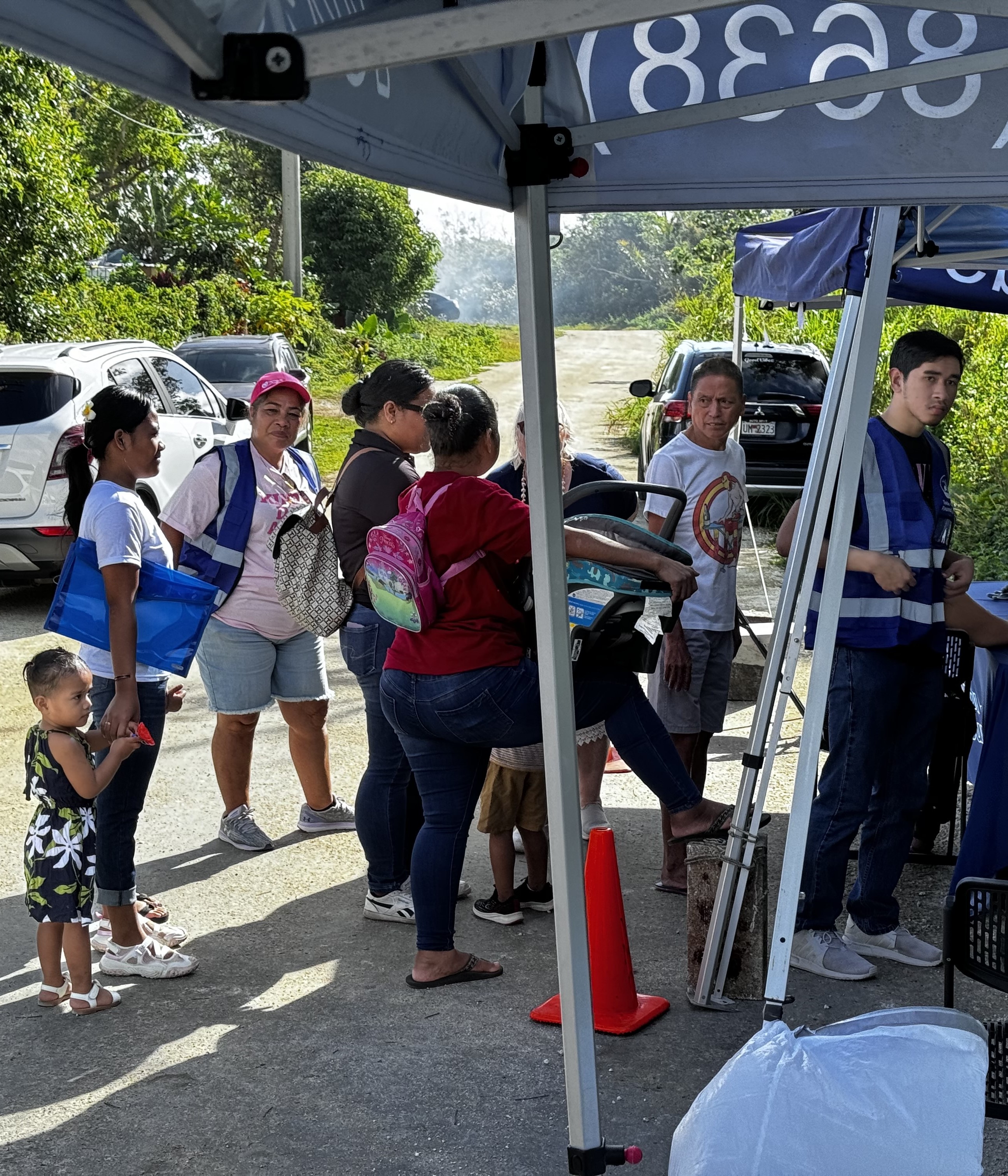
The first challenge they faced was infrastructure. In Gill Baza, residents had the understanding that water and sewer would be included as a part of the lot acquisition. But for a variety of reasons, the water and sewer were never installed. Residents of Gill Baza have, for the most part, been using portable toilets for two decades. Beyond sanitation challenges for individual households is the fact that these subdivisions are located on top of Guam’s Northern Aquafer — a key source of water supply for the island.
When the super typhoon struck Guam, homes in the southern and central parts of the island were largely protected due to typhoon-proof concrete construction. However, on the north side of the island, an estimated 1,000 homes were destroyed or damaged, largely due to their wood-frame construction.
While we don’t have a NeighborWorks affiliate in Guam, through our board agencies, intermediary and financial institutions partners, and the people of Guam, we are responding to a territory in need. In an effort to support Guam’s disaster recovery efforts, NeighborWorks America provided a second grant to RCAC to engage their full complement of disaster support, including their:
- Enviro team, which focuses on rural infrastructure.
- Their housing team, which focuses on rural housing programs.
- Their disaster recovery team, which works with a variety of federal and other agencies to helps communities to move forward.
Stepping forward
When RCAC visited earlier this year, I joined with a goal of supporting the development of a disaster recovery plan for the rebuilding of these affected neighborhoods.
Following are some of my takeaways, both observed and reinforced by the site visit: 
- The Guam Economic Development Authority was absolutely amazing in scheduling meetings with around 20 departments, organizations and individuals. That helped us maximize our time on the island.
- Typhoon Mawar further exposed the substandard living conditions in subdivisions on the north side of island. The lack of water, sewer or both in an area occupied primarily by Micronesian immigrants, must be improved.
- There is a severe lack of nonprofit housing and community development capacity in general in Guam.
- Overall housing conditions are exacerbated by market pressures resulting from the U.S. military’s housing allowance. Because of its geographical proximity to Asia, Guam is considered strategically significant to the U.S. and the site of multiple military bases.
- Chamorro Trust Land, which can be used for residential purposes for those qualifying, is an underutilized resource to address longer-term housing needs. Master Planning portions of the Chamorro Land Trust Land could be a significant strategy in addressing Guam’s Affordable Housing needs.
- In the Gill Baza neighborhood, where residents have lived for more than 20 years, including next generation residents, there is a strong pride of ownership, determination and resilience. During our visit, a number of households were restoring their homes, adding on rooms and more. But there is also crowding, with multiple generations sometimes living on the same lot. One household had more than 20 family me
 mbers.
 - A huge challenge for the team visiting Guam is understanding the status of ownership as most of the properties were sold under a contract for deed arrangement. Considerable research is required to review the documents as well as explore possible legal assistance to obtain a clear title.
- Multiple entities are putting together disaster recovery plans, including Guam Housing and Economic Development, U.S. Department of Commerce Economic Development Administration, and FEMA. Our challenge will be to collaborate on alignment with all of the plans.
RCAC is putting together an interim report that could include some immediate actions with a longer-term disaster recovery strategy. And NeighborWorks will continue to lend expertise.
In hard-to-reach and underserved communities, relationships and trust are built over time. It can be especially tricky for territories that are so far from the mainland. As we assess and strategize, we also show up, building a coalition of partners, respecting and deferring to our local representatives, and elevating the visibility of housing needs in this most Western edge of the United States.