


The disaster risk in Elkhart, Indiana, is comparatively low, according to recent risk assessments. Low for earthquakes. Low for wildfires. But that doesn’t mean disasters don’t strike, especially as cases of extreme weather becomes more frequent.
Nonprofits have to prepare for these disasters, both big and small. This month, National Preparedness Month, is a time to think about resources and to plan for the expected – and the unexpected.
“We have a disaster plan and we discuss it throughout the year to see where we’re at, any new things people have come up with,” said Jeremy Stutsman, president & CEO of Lacasa Inc. in Elkhart County. “The main thing is making sure people keep it front of mind, so we’re aware of what might be coming.”
This summer, Elkhart had severe wind, storms and an EF2 tornado that brought down trees and caused accidents. LaCasa’s properties didn’t suffer any damage, Stutsman said. But the electrical grid did. Staff connected as they always do in times of need, and a staff member shared something he’d heard from another source: Return to power could take awhile. 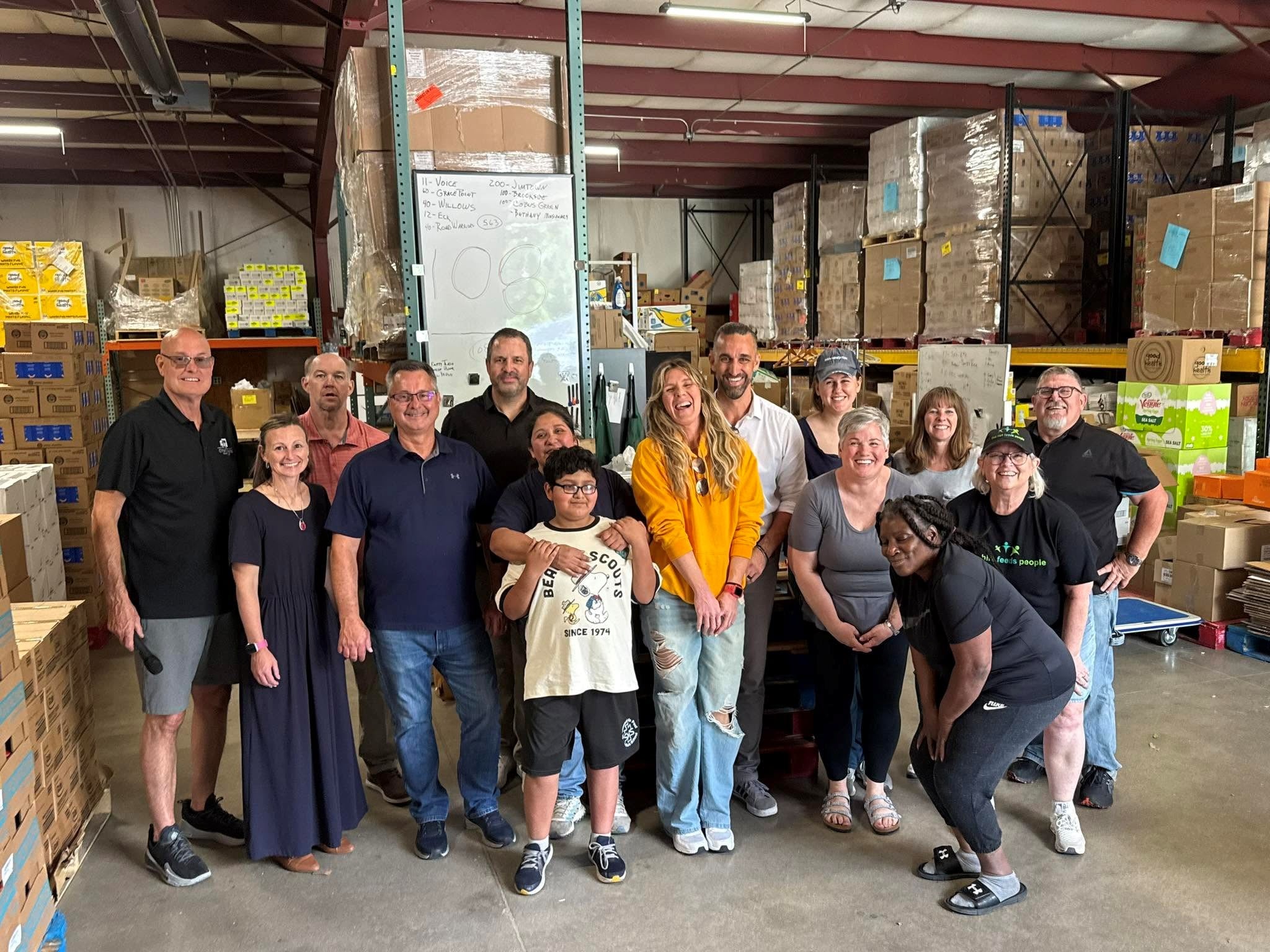
Several of the organization’s apartment buildings remained without power after the wind had gone, Stutsman said, and some of the duplexes as well. How could the nonprofit help?
Their first task was keeping residents updated on when power was likely to be restored. They connected with residents, providing updates and advising them to open their refrigerators only when needed and to close doors quickly after. “But as the second day without power passed, we realized people were losing everything in their refrigerators. Then the third day passed and we realized they were losing everything in their freezers.”
Stutsman reached out to the Community Foundation of Elkhart County in the hopes of finding gift cards for residents, who were already on tight budgets. They found that the foundation was part of a new program, called Hunger Ends Here, which brought together local food banks as a partnership. The program had just started.
Soon, Stutsman, his wife and other staff members were packing food boxes with nonperishable items, plus apples and other produce with a longer shelf life. Soon after that, they were delivering the boxes to Lacasa residents. 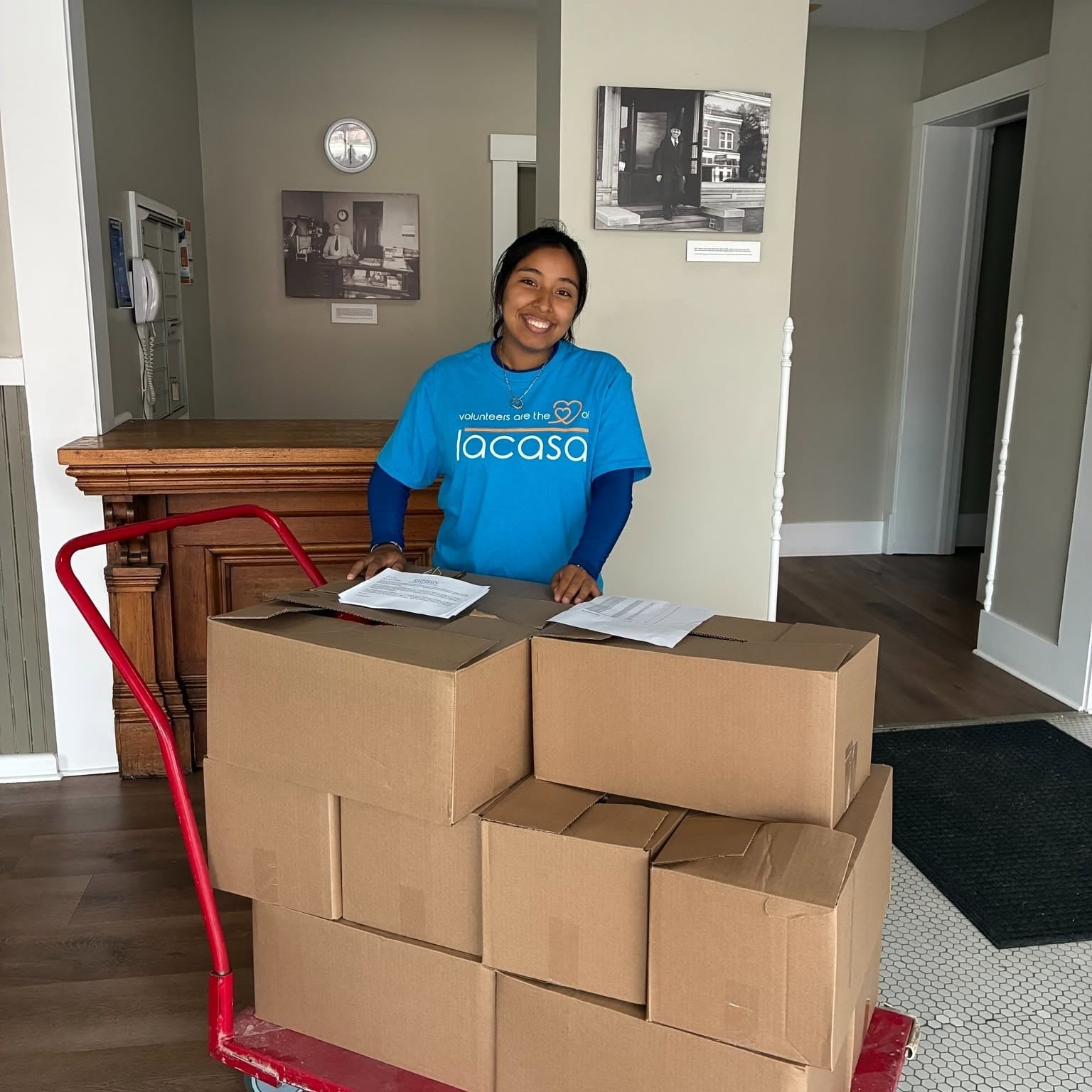
“It was meaningful to everyone and the tenants were just so grateful. Some were going to have to make a choice: Do they replace their food or pay other bills? We were able to help minimize the loss.”
When disasters happen – anything from a fire to a pandemic – Lacasa has a phone tree. Staff look at what happened and gather best estimates for how long a disaster will last. They’ve talked through power outages in the past, Stutsman said, but not the length. “We’ll build that into our plan,” he said.
Their first three steps when a disaster strikes: “Get together quickly, assess and respond.”
The organization will observe Disaster Preparedness Month by sharing reminders for residents. Other network organizations have reported providing tips to residents, hosting webinars and more. For more information on the national campaign, visit ready.gov.
NeighborWorks has resources for organizations working on disaster preparation – and disaster recovery. Watch our course catalogue for classes, both virtual and in-person. Check out our Navigating the Road to Recovery toolkit, which includes decision maps to housing recovery for renters and homeowners, is also available in Spanish.