

When Britney Russell started her hair styling business in 2011, she already had a vision for where it might take her.
“I knew that one day I wanted to own a salon where I could not only grow my own career, but also provide a space for other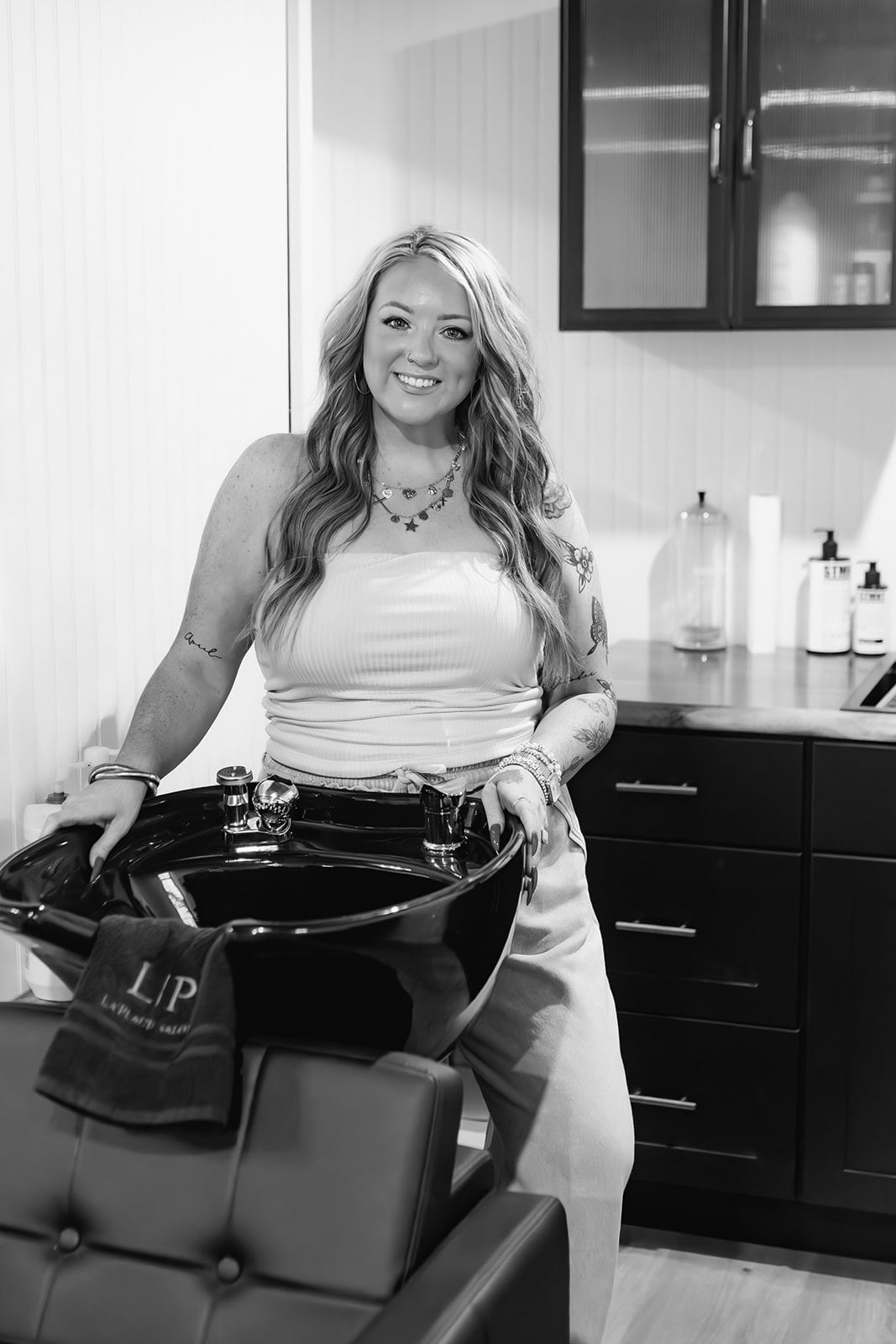 stylists to build theirs,” she said.
Thirteen years later, working from a rented salon space in southeast Oklahoma, Russell had built a successful business. Her appointment books were full and she had a steady base of clients. “I knew it was finally time to start figuring out how to turn the dream I’d carried for so long into a reality,” Russell recalled.
Ready to take the next step, Russell found a property she could turn into the salon she had envisioned. However, she didn’t have enough equity to secure traditional bank financing. A referral from a local banker eventually brought her to Southeast Oklahoma Community Development Corporation (SOCDC), a community development financial institution and strategic partner of LIFT Community Action Agency, a NeighborWorks network organization based in Hugo, Oklahoma. Through federal funding from the USDA’s Rural Microentrepreneur Assistance Program (RMAP), Russell secured a loan from SOCDC to purchase and renovate a building of her own.
“This opportunity gave me the chance to finally create a space that was truly mine — one that reflected who I am as a stylist, the experience I wanted to provide for my guests, and the kind of environment I wanted to create for other stylists to grow and succeed in,” she said.
For Wade Scott, loan officer for SOCDC and LIFT, Russell’s story represents something bigger than a successful loan. It’s about what can happen when entrepreneurs have access not only to capital, but also to the financial knowledge and technical assistance that can help them build on what they’ve already created and access new opportunities.
Scott spent more than 25 years in banking before joining SOCDC, but it’s the teaching part of his job that particularly motivates him.
“Yes, making a loan to someone and watching the business grow and do well is great,” Scott said. “But the education part — I get more enjoyment out of that, of seeing them learn and open their eyes up to the possibilities.”
Creating a pathway to self-sufficiency
The pathway to starting or growing a business can be harder to navigate in the rural communities SOCDC serves.
“This area of the state that we operate in is a higher poverty area,” Scott said. When poverty persists across generations, people may have fewer examples around them of successful businesses — or fewer opportunities to learn the financial skills needed to build one themselves. Over time, Scott said, starting a business or building financial stability can begin to feel unattainable, making it difficult to envision a different path. 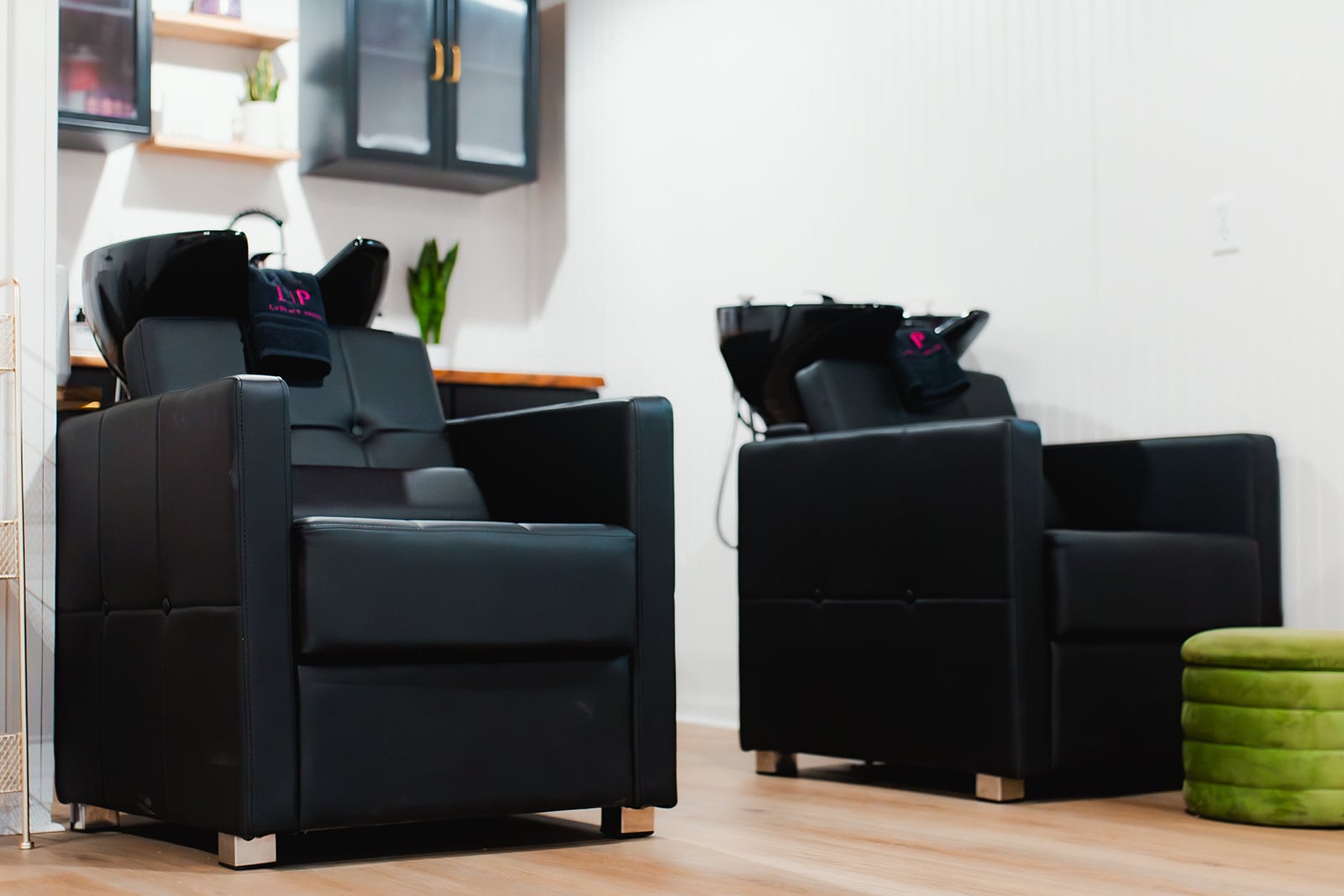
“If you’re taught that from the word go, and you’re just never going to be a part of that, because that’s the way it’s been, that’s hard to overcome with people,” Scott said.
That’s where access to both financing and financial education can make a difference.
SOCDC began offering RMAP loans after receiving $250,000 in lending capital through USDA Rural Development in 2024. The program provides loans for business needs including working capital, equipment, debt restructuring and real estate improvements. Technical assistance and business education are also required components of the program — and a major part of the equation for the entrepreneurs SOCDC serves.
RMAP helps SOCDC finance entrepreneurs whose needs may not fit neatly within traditional lending requirements. Some need a longer loan term, a smaller down payment or greater flexibility around collateral. Others need working capital — something that can be particularly difficult for a small business to finance.
“Through the years, you have good customers sometimes that you just can’t fit into that bank ‘envelope,’” Scott said.
Some clients arrive through referrals from banks. Others walk through the door with little more than an idea or a dream they’ve been considering for years.
The assistance is tailored to the entrepreneur. Some, like Russell, are seeking alternative financing options. Others, meanwhile, benefit from foundational education that helps them improve their credit, learn how to more effectively manage a business account or develop a business plan. Clients range from entrepreneurs with little familiarity with financial concepts to experienced business owners who have already navigated multiple loans. RMAP clients receive an average of about 10 hours of technical assistance, and SOCDC and LIFT also offer financial and business education beyond the program.
“We just start with them at step one and say, ‘Okay, here’s some issues we’ve identified,’” says Macy Self, associate director of LIFT. “It’s a hand up, not a hand out.”
The goal is to help entrepreneurs strengthen the financial skills and position they need to access more opportunities over time, Self said. She recalls clients who initially didn’t qualify for financing but spent three to six months working with Scott to become “loan ready.”
Scott has seen how targeted assistance can help an entrepreneur reach the next stage of a business.
“There’s usually that one aspect of their business that they just haven’t mastered yet,” he said.
He remembers a furniture maker who had been in business for years but didn't secure the line of credit he needed through a traditional bank. After working with Scott to strengthen the financial side of his business, the entrepreneur successfully secured the credit elsewhere. His business went on to grow and hire additional employees.
“He just needed that thing,” Scott said.
An investment that keeps growing
Since receiving its RMAP funding, SOCDC has originated six loans, averaging approximately $25,000 each. Those loans are helping entrepreneurs open and expand businesses throughout Choctaw, McCurtain and Pushmataha counties.
“Microenterprises are especially important to rural communities because they strengthen the local economy by creating local jobs and generating income, which results in increased economic resilience,” said Sarah Kackar, senior director of rural initiatives at NeighborWorks America. “They help keep money circulating locally, retain talent, meet community needs, and create pathways for residents in rural communities to build sustainable livelihoods without leaving their area.”
Scott has seen firsthand the positive effects when rural entrepreneurs have the tools to build on their success. He says the businesses they create can provide jobs and strengthen their communities, while becoming assets that may one day be passed to another generation.
Scott recalls one entrepreneur who used RMAP financing to purchase a food truck and equipment for a business she hopes will become something her family can share and eventually take over.
“She has grown children and even some grandchildren, and she wanted that to become kind of a bonding thing with them,” he said. “Her whole point is to bring her family into it.”
For Russell, owning her salon has similarly changed what she is building toward.
“Having my own building has been such a great investment,” she said. “We were able to renovate the salon and offer a really nice space to share with my guests. Getting away from rent and now finally able to put money into something that is my own has been such a game changer. I’ve set new goals for myself and I hope to continue to grow here.”
The impact extends beyond her own finances. Russell has hired two employees, invested in improving a building in her community and continues to support local causes. And the space she once dreamed of creating is now giving other stylists a place to build their own careers.
Scott sees the potential for that impact to continue growing: As Russell’s employees build their own skills and credentials, they may someday open businesses of their own.
“It’s not too long in the future that I’m going to go do something else, or retire, or whatever I’m going to do, and some of these businesses are still going to be operational, and still going to be growing into phases that, you know, are going to be lasting, that may get passed down to family, or sold,” Scott said. “And it makes your heart happy.”
For entrepreneurs like Russell, greater access can turn an opportunity into something they can build on and make their own.
“The big takeaway from me sitting back and looking at 30 years of doing this kind of stuff… is that there are still people who with just a little bit of help can go to the next level,” Scott said. “There are people out there with businesses that can grow or start still. With just a little help and a little willingness to look and paint outside the box a bit, their dreams are still possible.”
As part of America250, the bipartisan initiative to engage every American in the 250th anniversary of the United States, NeighborWorks is sharing the stories of people who build their communities and make them stronger.