


Alpresteon “Sabrina” Billings wanted to see her Mississippi neighbors living safely and comfortably. And she figured out a way to make it happen.
When the single-family rental community of Roberts Estates and League Cove, originally financed through Low Income Housing Tax Credits, became available to purchase once the tax credits expired, she worked with the tenants to purchase those homes. That was the original lease-purchase agreement, she explained, and that’s what she’d envisioned from the beginning. But some residents needed a little extra help to make it across the finish line. Billings, Chief Executive Officer of Gateway Community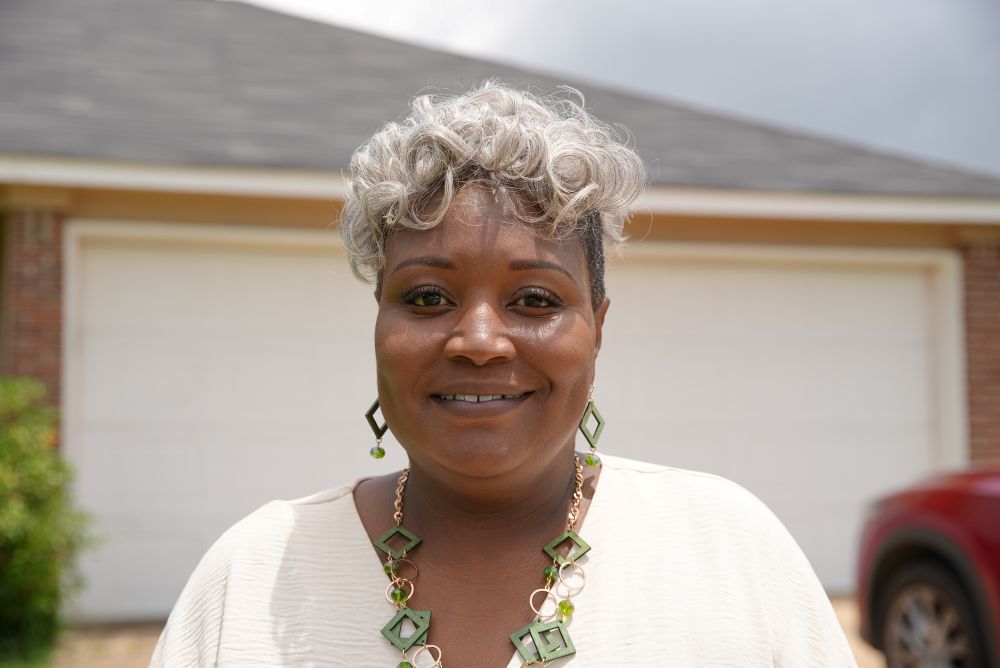 Development Corporation, was there to provide it.
She has spent the last few years working with 40 renting households to turn them all into homeowners. Her work led NeighborWorks® America to present Billings with the Dorothy Richardson Award for Resident Leadership. The award is named Richardson who, together with her neighbors, brought bankers and public and private interests together to help save their Pittsburgh neighborhood. Billings will receive the national award on Oct. 31 at a ceremony in Minneapolis, Minnesota, during the NeighborWorks Community Leadership Institute.
“When you are passionate about something, it is not a job,” she said. “It’s a life.”
Making change in Yazoo County
Billings’ story starts in Yazoo County, Mississippi, where about a third of the residents are living below the poverty line. She had moved to Yazoo County from the town of Shelby after she got married. She knew some of her neighbors didn’t have the same comforts she did, and she wanted to change that.
“My passion came from the experience of just looking at the community,” she said. “It was just a cultural shock to see the need for housing. I just wanted to see: Can we do more? What can we as a nonprofit do to meet the needs of our community?”
Billings noted that some families had lived in public housing for more than three generations. At the same time, she observed that the high school dropout rate in the county, though it has improved, was in the double digits. She wanted to make an impact in both places, so along with working on housing, she coordinated a YouthBuild program, a federal program through the Department of Labor, to keep community youth engaged.
“I have a heart to just helping people and just listening to their stories, trying to figure out what they need,” she said. “I wanted to do more outreach programs. If we did that, we could bridge some gaps.” She ran the program for several years until the pandemic, and reinstituted the program this summer.
A place to call home
When Hurricane Katrina hit 20 years ago, much of the attention was on the city of New Orleans. But Mississippi had a lot of damage from the hurricane as well. “It blew all the way up to us in Yazoo County,” Billings recalled. “We had extensive power outages. A lot of homes were damaged. And people were displaced.”
Their region became a Government Opportunity Zone, which meant a chance for new homes with government tax credits. “We built 40 new single-family homes under a single-family lease purchase program,” she said. The families moved in and began leasing the homes as planned. Now, just after the 20th anniversary of the hurricane, those homes are available for purchase for $15,000.
Gateway worked with families on financial literacy education, but by the time the properties were finally ready for purchase, not everyone was mortgage ready. They still didn’t have the credit that would make them candidates for a traditional mortgage at an interest rate that wouldn’t cause financial hardship.
Billings, who juggles her job with raising two children, called Bill Bynum, Executive Director of Hope Credit Union. “I said, ‘Bill, my families are not credit worthy, but they have paid their rent on time every month for at least 15 years.”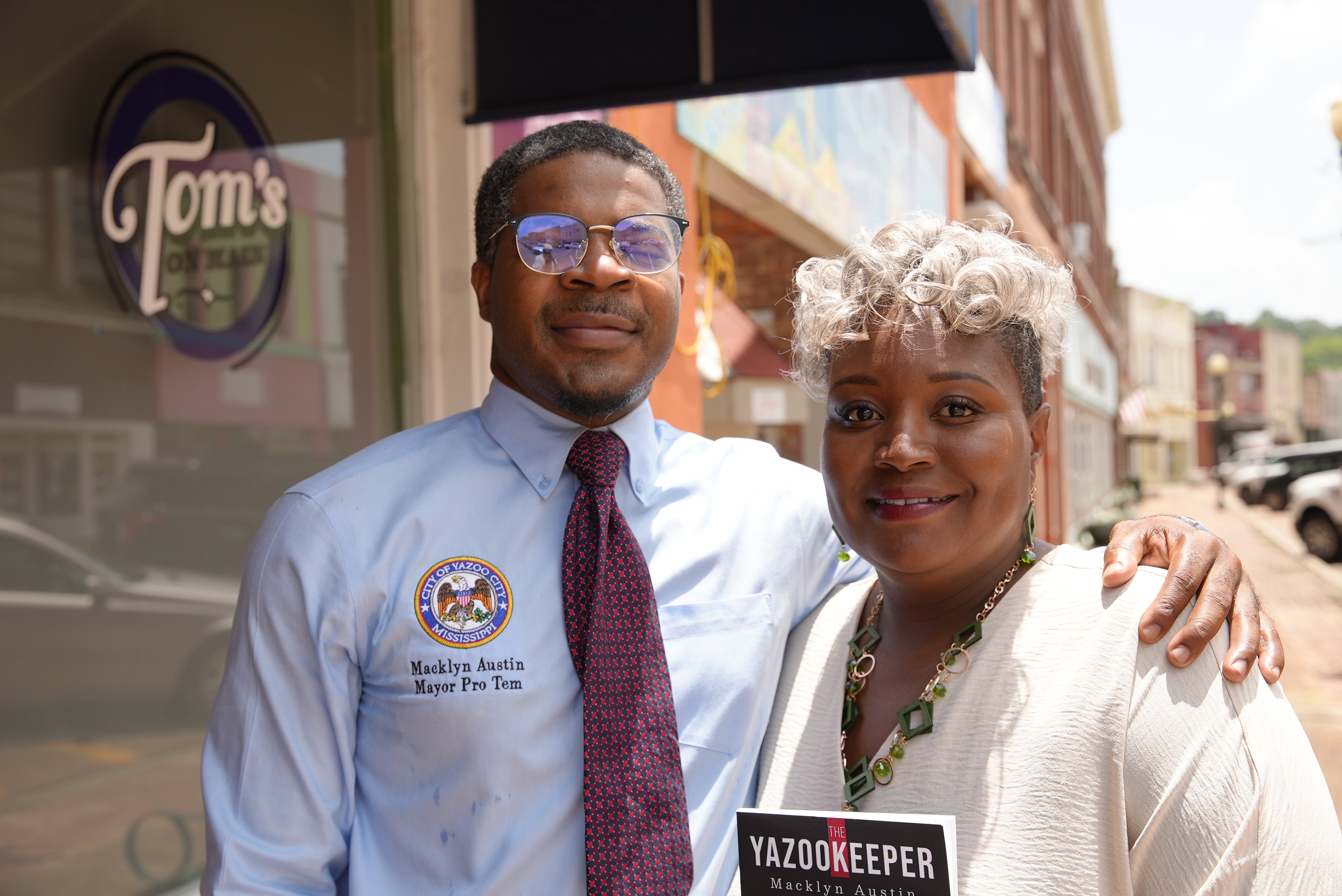
She asked if there was anything HOPE could do. Working with Enterprise, HOPE initiated a new pilot program that would allow families to get their mortgages along with closing costs and repairs that put their homes back in top-top shape – painting, new roofs, even new appliances.
Bettie Priest Reed has lived in Roberts Estates for 17 years in a home that was always a few years away from being hers.
“I was happy when I heard about the LIHTC allocation to build the houses for Yazoo City,” she said. “I thought it would be wonderful to own my own home and I put my name on the list.”
In 2008, she and her daughter moved in. They had the keys and the promise that they could buy their home once the Low Income Tax Credits expired.
“The house was nice,” Reed said. “It was new. I had an attached garage and could drive in and not get wet taking groceries in. I had my little yard space and a long porch to decorate with patio furniture.”
Even though she’ll be living in the same house she’s lived in for 17 years, Reed expects it to feel different once her name is on the deed. “Oh yes. I will know without a shadow of a doubt that this is something I worked hard for -- something I know is mine. And something I have to keep up.”
While leasing the home, the residents of the neighborhood had to agree to keep up the yard and maintain the properties. “I still want it to look nice out there – just like it has for 17 years.”
Billings made sure the residents kept up with all of their obligations. “I think she was an excellent Director for Gateway,” Reed said. “She’s always been there for us, making sure she meets our needs. She wants us to be homeowners. She’s excited for every single one of us.”
Building chances for local youth
“We wanted to keep our families engaged,” Billings explained, when talking about Gateway’s overall philosophy. That meant social service programs. It meant medical care. “The resources that you would normally think are available in this community? They're not.”
Barriers include transportation, lack of internet and more. Billings began applying for grants to seek funding to purchase a van and hotspots so people could access the internet for school or jobs. She incorporated internet at Magnolia Crossing, a property that Gateway manages, so that when kids came home from school, they’d still have access to WiFi.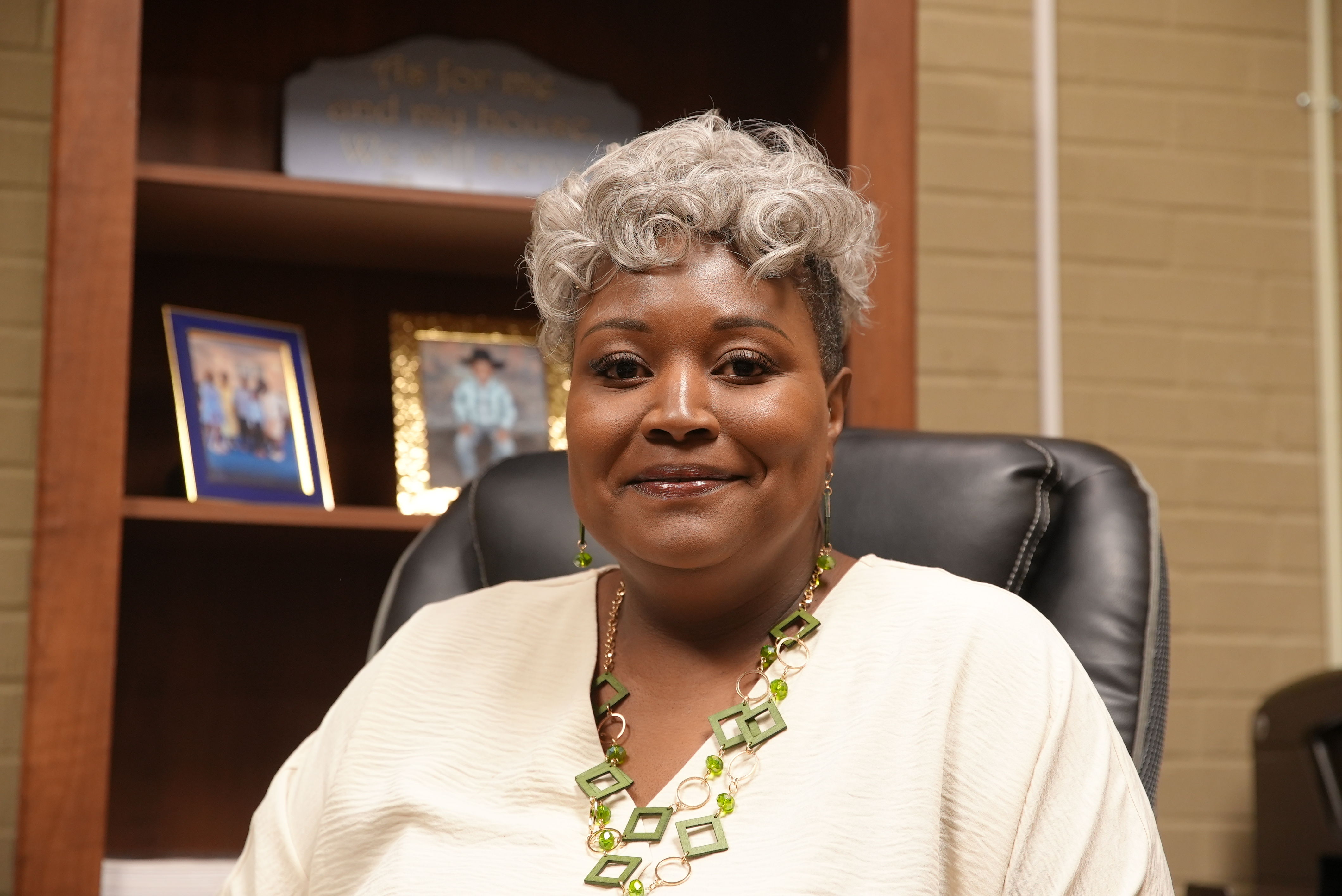
The third of four siblings, Billings learned to actively help her community from her parents Preston and Almeta. Her father was an educator and a coach; her mother worked for Baxter’s Healthcare. In their small town of Shelby, when kids were bored, her dad would rent a bus and drive them to Greenville, Mississippi where there was roller skating and a movie theater. “He just wanted to help children, you know. He always gave. My mother used to tell him, ‘You can’t take care of the whole community.’” But that didn’t stop him from trying. It didn’t stop Billings, either.
“My goal with the nonprofit is not only to provide you with housing, not only to be able to provide you the resources and services you need day to day, but we want to make sure we can help build home, build structure, bring in mentorships.” She looks at the whole person: Where they’ve come from, where they’re going.
That’s why it was important to her to bring YouthBuild back, she said. Her message to participants: You are valuable. You can do whatever you put your mind to do.
The program, she said, shapes lives.
Community leadership
The trip to the NeighborWorks Community Leadership Institute in October will not be Billings’ first; she has attended the CLI before with Hope Federal Credit Union. “It was amazing to collaborate and learn more about what other communities and states are doing far as community development,” she said.
How do you make progress in a community? “You have to have conversations,” Billings said. That’s what she did to get the grants for Roberts Estates and League Cove. “Everybody I talked to would say ‘Ms. Billings, that’s not going to work. No bank would do that. No investor would do that.’ But I kept talking. I said, ‘I’m going to keep speaking it. I’m going to speak it into existence.’”
Taking “no” for an answer? Billings doesn’t do that. “There is always some way, somehow we can figure this out. We can make a way. Okay? That’s my mindset with everything I’m faced with. It’s not about profit. It’s about impacting and improving lives.”
She gets emotional, thinking about the residents – the homeowners – of Roberts Estates and League Cove. “I'm looking forward to when I say, these are your keys. Now this is your home and you can pass it on from generation to generation.”
Premio Dorothy Richardson: Alpresteon Billings guía a los inquilinos para convertirse en propietarios
Alpresteon “Sabrina” Billings quiere ver que sus vecinos vivan de manera segura y cómoda, y encontró la forma de hacerlo posible.
Cuando la comunidad de viviendas unifamiliares en alquiler Roberts Estates y League Cove, originalmente financiada con créditos fiscales para viviendas de bajos ingresos, quedó disponible para la compra tras expirar dichos créditos, ella trabajó con los inquilinos para adquirir esas casas. Ese era el acuerdo original de arrendamiento con opción a compra, explicó, y eso era lo que había previsto desde el principio. Sin embargo, algunos residentes necesitaron un apoyo adicional para poder concretarlo. Billings, directora ejecutiva de Gateway Community Development Corporation, estuvo allí para brindárselos.
En los últimos años, ha trabajado con 40 hogares para lograr que 40 inquilinos sean propietarios. Su labor llevó a que NeighborWorks® America le diera a Billings el Premio Dorothy Richardson al Liderazgo de Residentes. El premio lleva el nombre de Richardson, quien, junto con sus vecinos, reunió a banqueros y a representantes de los sectores público y privado para ayudar a salvar su vecindario en Pittsburgh. Billings recibirá este premio nacional el 31 de octubre en una ceremonia en Mineápolis, Minnesota, en el marco del NeighborWorks Community Leadership Institute.
“Cuando uno siente pasión por algo, no es un trabajo”, afirmó. “Es un modo de vida”.
Implementación de un cambio en el condado de Yazoo
La historia de Billings empieza en el condado de Yazoo, Misisipi, donde aproximadamente un tercio de los residentes vive por debajo del umbral de pobreza. Ella se mudó al condado de Yazoo desde Shelby después de casarse. Sabía que algunos de sus vecinos no contaban con las mismas comodidades que ella y quiso cambiar esa realidad.
“Mi pasión surgió de la experiencia de simplemente observar a la comunidad”, dijo. “Fue un verdadero impacto cultural ver la necesidad de vivienda. Solo quería saber: ¿Podemos hacer más? ¿Qué podemos hacer como organización sin fines de lucro para responder a las necesidades de nuestra comunidad?”
Billings señaló que algunas familias habían vivido en viviendas públicas durante más de tres generaciones. Al mismo tiempo, observó que el índice de abandono escolar en la secundaria del condado, aunque había mejorado, seguía siendo de dos dígitos. Quería tener un impacto en ambos ámbitos, por lo que, además de trabajar en vivienda, coordinó el programa federal YouthBuild, del Departamento de Trabajo, para mantener a los jóvenes de la comunidad comprometidos.
“Mi vocación es simplemente ayudar a las personas, escuchar sus historias e intentar entender qué necesitaban”, dijo. “Quería implementar más programas de alcance comunitario. Si lo hacíamos, podríamos reducir algunas desigualdades”. Dirigió el programa durante varios años hasta la pandemia y lo volvió a poner en marcha este verano.
Un lugar al que llamar hogar
Cuando el huracán Katrina azotó hace 20 años, gran parte de la atención se centró en la ciudad de Nueva Orleans, pero Misisipi también sufrió daños considerables por el fenómeno. “Llegó hasta nuestro condado, Yazoo”, recordó Billings. “Tuvimos cortes de electricidad generalizados, muchas casas resultaron dañadas, y las personas tuvieron que abandonar sus hogares”.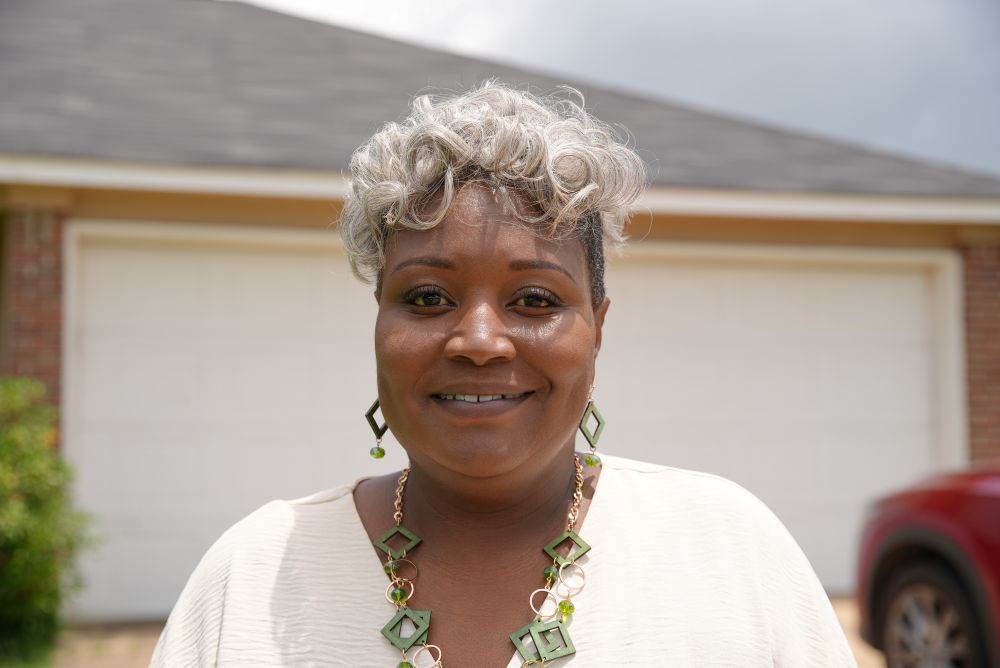
Su región se convirtió en una Zona de Oportunidad del Gobierno, lo que representaba una oportunidad para construir nuevas viviendas con créditos fiscales gubernamentales. “Construimos 40 nuevas casas unifamiliares mediante un programa de arrendamiento con opción a compra”, dijo. Las familias se mudaron y empezaron a alquilar las casas según lo previsto. Ahora, justo después del 20.º aniversario del huracán, esas viviendas están disponibles para su compra por $15,000.
Gateway trabajó con las familias en educación financiera, pero, cuando las propiedades finalmente estuvieron listas para la compra, no todos estaban listos para obtener una hipoteca. Todavía no tenían el historial crediticio que los hiciera candidatos a una hipoteca tradicional con una tasa de interés que no representara una carga financiera.
Billings, quien divide su tiempo entre su trabajo y la crianza de sus dos hijos, llamó a Bill Bynum, director ejecutivo de Hope Credit Union. “Le dije: ‘Bill, mis familias no tienen suficiente historial crediticio, pero han pagado su alquiler a tiempo cada mes durante al menos 15 años’”.
Ella preguntó si HOPE podía hacer algo al respecto. Junto con Enterprise, HOPE puso en marcha un programa piloto que permitía a las familias obtener sus hipotecas, junto con los costos de cierre y las reparaciones necesarias para dejar sus viviendas en perfecto estado: pintura, techos nuevos e incluso electrodomésticos nuevos.
Bettie Priest Reed ha vivido en Roberts Estates durante 17 años en una casa que durante mucho tiempo estuvo a punto de ser suya.
“Me alegré cuando escuché sobre la asignación de LIHTC para construir las casas en Yazoo City”, dijo. “Pensé que sería maravilloso tener mi propia casa y puse mi nombre en la lista”.
En 2008, ella y su hija se mudaron. Tenían las llaves y la promesa de que podrían comprar su casa una vez que vencieran los créditos fiscales para viviendas de bajos ingresos.
“La casa era hermosa”, dijo Reed. “Era nueva. Tenía un garaje y podía entrar sin mojarme mientras llevaba las compras. Tenía mi pequeño jardín y un porche largo que podía amueblar con muebles de patio”.
Aunque seguirá viviendo en la misma casa en la que ha vivido durante 17 años, Reed espera que se sienta diferente cuando su nombre figure en la escritura. “Sí, claro. Sabré sin la menor duda que esto es algo por lo que trabajé mucho, algo que sé que es mío. Y algo que debo mantener”.
Mientras alquilaban la casa, los residentes del vecindario tenían que comprometerse a cuidar el jardín y mantener las propiedades. “Todavía quiero que se vea bien por fuera, tal como ha estado estos 17 años”.
Billings se aseguró de que los residentes cumplieran con todas sus responsabilidades. “Considero que fue una excelente directora para Gateway”, dijo Reed. “Siempre ha estado presente para nosotros, asegurándose de atender nuestras necesidades. Quiere que seamos propietarios de nuestras casas. Se emociona por cada uno de nosotros”.
Fomento de oportunidades para los jóvenes locales
“Queríamos mantener a nuestras familias comprometidas”, explicó Billings cuando habló sobre la filosofía general de Gateway. Eso implicaba programas de servicios sociales, además de atención médica. “¿Qué ocurre con los recursos que normalmente uno pensaría que están disponibles en esta comunidad? No lo están”.
Las dificultades incluían transporte, falta de Internet, entre otros. Billings empezó a solicitar subvenciones con el fin de conseguir fondos que le permitieran comprar una camioneta y puntos de acceso a Internet en pos de que las personas pudieran conectarse a la red para la escuela o el trabajo. Incorporó Internet en Magnolia Crossing, una propiedad que Gateway administra, para que, cuando los niños llegaran a casa de la escuela, todavía tuvieran acceso a WiFi.
Billings, la tercera de cuatro hermanos, aprendió a ayudar activamente a su comunidad gracias a sus padres, Preston y Almeta. Su padre era maestro y entrenador; su madre trabajaba en Baxter’s Healthcare. En su pequeño pueblo de Shelby, cuando los niños se aburrían, su padre alquilaba un autobús y los llevaba a Greenville, Misisipi, donde había una pista de patinaje y un cine. “Solo quería ayudar a los niños, ¿sabes? Siempre daba. Mi madre solía decirle: ‘No puedes encargarte de toda la comunidad’”. Sin embargo, eso no lo detuvo, como tampoco detuvo a Billings.
“Mi objetivo con la organización sin fines de lucro no es solo brindarles vivienda, ni únicamente ofrecerles los recursos y servicios que necesitan a diario, sino también asegurarnos de que podamos ayudar a crear un hogar, fortalecer la estructura y ofrecer mentorías”. Ella ve a la persona en su totalidad: de dónde viene y a dónde va.
Por eso, dijo, era importante para ella reactivar YouthBuild. Su mensaje para los participantes: Ustedes son valiosos. Pueden lograr todo lo que se propongan.
El programa, agregó, transforma vidas.
Liderazgo comunitario
El viaje al NeighborWorks Community Leadership Institute en octubre no será el primero para Billings; ya había asistido al CLI anteriormente con Hope Federal Credit Union. “Fue increíble colaborar y aprender más sobre lo que otras comunidades y estados hacen en cuanto al desarrollo de la comunidad”, dijo.
¿Cómo se logra progresar en una comunidad? “Hay que entablar conversaciones”, afirmó Billings. Eso fue lo que hizo con el fin de obtener las subvenciones para Roberts Estates y League Cove. “Todos con los que hablaba me decían: ‘Señora Billings, eso no va a funcionar. Ningún banco lo haría. Ningún inversor lo haría’. Pero yo seguí insistiendo. Decía: ‘Voy a seguir hablando sobre esto. Voy a manifestarlo y hacerlo realidad’”.
¿Aceptar un “no” como respuesta? Eso no es para Billings. “Siempre hay alguna manera, de algún modo podemos resolverlo. Podemos encontrar la forma de lograrlo. ¿De acuerdo? Ese es mi enfoque en cada cosa que enfrento. No se trata de ganancias, sino de generar un impacto y transformar vidas”.
Se emociona cuando piensa en los residentes (los propietarios) de Roberts Estates y League Cove. “Espero con ansias el momento en que pueda decir: ‘Estas son sus llaves. Ahora este es su hogar, que podrán pasar de generación en generación’”.