

Lee Anne Adams, NeighborWorks® America’s chief operating officer, closed out the Investing in Rural America conference in Asheville, North Carolina, this month, where she talked about the resilience of rural communities, and the opportunities. Following are some excerpts from her speech:
Over the last several days, we've heard about persistent challenges facing rural communities, but we've also heard something equally important: that local leadership, trusted partnerships, and sustained investment continue to create opportunities in places that are overlooked too often. The combination of realism and optimism is what makes gatherings like this so valuable. 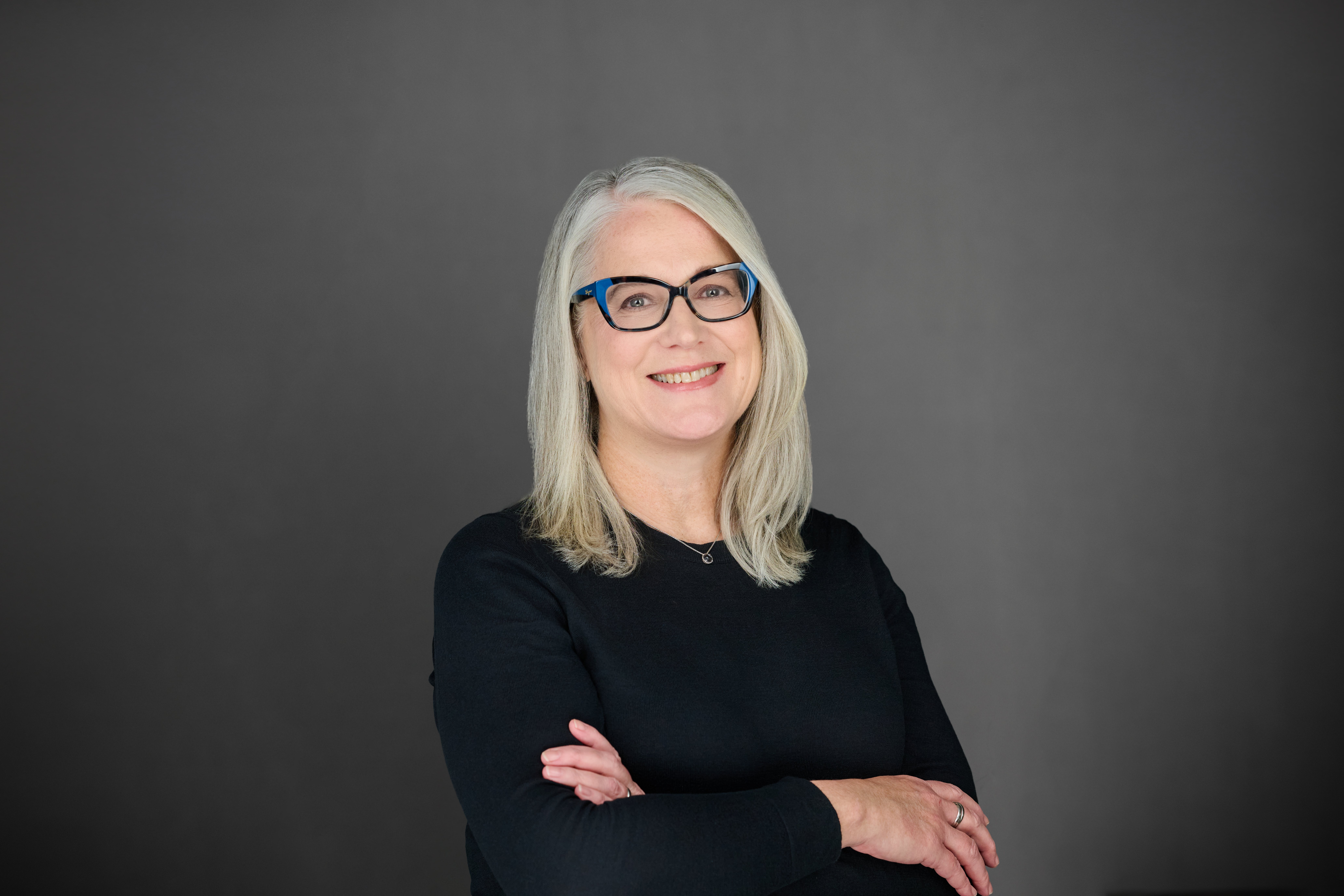
I personally value these opportunities to see the work on the ground, to be inspired by creativity and resilience, and to engage in conversations that push my own perspectives.
On behalf of Neighborhoods® America, I want to thank Governor Lisa Cook and the presidents of the regional Federal Reserve Banks for listening to local communities, fostering collaboration, and providing research that helps inform action. A special thank you to the Federal Reserve Bank of Richmond and President Tom Harkin and his team for supporting this opportunity and the many other initiatives that sharpen our focus and dialogue around the unique challenges and opportunities facing rural communities.
Neighborhoods America was built on the belief that public, private, and community-led partnerships can drive meaningful solutions, catalyze local economic investment, and transform communities.
Neighborhoods, working through a network of nearly 250 nonprofit community and housing development organizations, leveraged more than $11.6 billion in direct investment in communities in fiscal year 2025. Neighborhoods organizations – and a shout out, there are many of you in the room this week – create lasting impact in every state, in Puerto Rico, in Washington, D.C., and on tribal lands.
Nearly four out of five Neighborhoods organizations touch rural communities in their service areas.
And since 2023, organizations participating in our rural initiative have created over 32,000 new homeowners. That number has grown year over year, despite local housing conditions. They've counseled and educated over 191,000 clients and reported total investment of almost $20 billion.
Beyond a focus on rural communities, NeighborWorks has made a commitment to deepen our impact in Native communities. NeighborWorks provides grant funding and training to local organizations to build and strengthen partnerships with Native communities. In fiscal year 2025, the NeighborWorks network leveraged over $102 million in residential and commercial lending investment in those communities.
Native communities share many challenges we see in rural America, but we can't treat them like another rural market. Effective investment in Native communities begins with recognizing sovereignty, culture, land, and self-determination, and following the leaders of those communities. We are grateful to our national partners the National American Indian Housing Council, the Native CDFI network and Oweesta corporation, among others, for walking alongside us and challenging us to continue to expand our investment in meaningful ways.
NeighborWorks recently completed an analysis of 10 years of community impact measurement data from a subset of our network organizations. What we learned is that our impact cannot be measured by housing units, homeowners or dollars leveraged alone.
From this most recent report, 88% of organizations data showed positive trends in their community for seven to 10 years in one or more of the following key areas: resident satisfaction, social capital (something we're talking a lot about this conference) and physical conditions. We found that community infrastructure is stronger, social connections among residents have increased, residents are more willing to get involved in their communities, and residents feel more satisfied and optimistic about their communities. And these aren't just qualitative measures, these are measures we have created and have been able to quantify.
I want to highlight an example from Grow South Dakota. I know their leaders were here this week. (They're fabulous if you haven't met them yet.)
Ten years ago, Grow South Dakota, which has a statewide footprint, developed a place-based approach in the small town of Sisseton, the town where they're headquartered. Home to a community of approximately 2,400 people and 1.5 square miles, Sisseton is located within tribal boundaries and has an economically deeply rooted in the region's agricultural-based industry. Over 10 years, Grow worked with local and state agencies to develop and repair housing.
They provided housing counseling, down payment assistance, residential mortgage lending. They partnered with the local Sisseton-Wahpeton tribes for entrepreneurship and worked with local Arts Council to enhance public spaces, strengthen community identity, and bring new energy to downtown Sisseton. As we looked at their data and what they saw over the seven to 10 years, we saw a substantial improvement in community infrastructure.
The proportion of observed buildings rated in good condition and needing no repair rose from just 28% in 2013 to 79% in 2023. And that's not just the investment that they did, that's the investment of many others. The community was transforming.
The share of residents who would recommend Sisseton as a good place to live grew from 70% to 82% over the past decade. And residents also expressed more positive perception of recent community change and greater optimism about Sisseton's future. Rural and native housing and community development organizations, forced by constraints and driven by ingenuity, are strengthening local capacity, infrastructure, and economic systems needed to grow prosperity, create growth, and opportunity in their communities.
They are also transforming places where residents are proud to live, are more connected, and more engaged. All of us in this room, government, philanthropy, financial institutions, researchers, community development organizations, bring a set of tools, resources, relationships, and perspectives to this work. As we end today, I hope that we will continue to look for ways to identify and lift up these promising practices and align and strengthen our support for rural and native communities.
I want to thank Rural LISC, Enterprise Community Partners, Rural Community Assistance Corporation, and Housing Assistance Council for your ongoing commitment to collaboration and to collectively elevating the voice of rural communities so they are visible, connected, and resourced. I also want to thank my own team member, Sarah Kackar, who has been our fearless leader in this work. But most importantly, I want to thank the rural leaders who are in this room.
You know your community best. You see the opportunities, the assets, the challenges every day, and you are the people turning possibility into progress. We are grateful to learn from you, to be challenged by you, and to partner with you as we work toward stronger communities and greater opportunity across rural and native communities.
Read more about NeighborWorks America's rural work.