

A bus ride through Miami-Dade County tells a story of change. 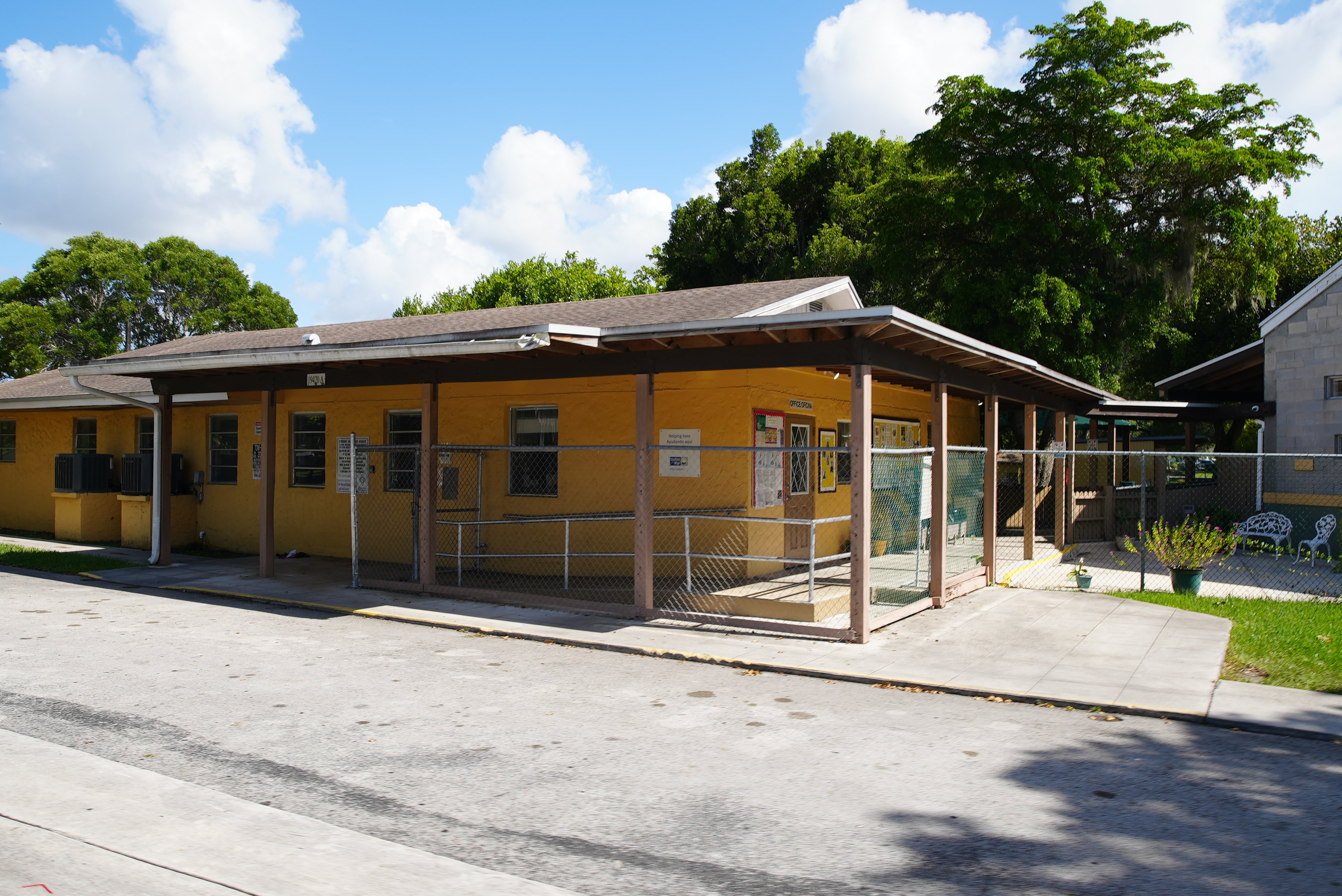
Beaches and bridges give way to office buildings, single-family homes, condominiums and agricultural land. Farther south, development meets land that has historically supported farming and the workers who sustain the region’s agricultural economy.
For Rural Neighborhoods Inc., those changs have required the organization to evolve alongside the communities it serves.
“Since our inception in 1982, Miami Dade has been on an accelerated growth path,” explained Steven Kirk, CEO of Rural Neighborhoods Inc., as he led a bus tour to some of his organization’s properties. In rural areas of Florida today, he said, “there is now greater density and higher land prices.” His own nonprofit has moved from developing single homes to more duplexes and mid-rise developments, part of a continued mission to provide shelter and a decent place to live for working families, particularly seasonal farmworkers, and to eliminate substandard housing, overcrowding and to make rents more affordable.
Staff from NeighborWorks® America and NeighborWorks network organizations took a bus tour with Kirk as part of the NeighborWorks Training Institute in Miami Beach. The tour – like those held during other training institutes – gave participants a chance to see a community close-up, along with the challenges and solutions. Exchanging information among NeighborWorks network organizations is one way the network grows in both knowledge and strength.
As its name suggests, Rural Neighborhoods Inc. considered itself a rural-serving organization, serving parts of Miami-Dade that include Homestead, a suburban community located just 30 miles south of downtown Miami. But things are different now, Kirk said. “Twenty five percent of the agricultural land in Homestead is now growing houses.”
He pointed to what used to be a potato farm. “Now it’s housing,” he said. Other crops? The same.
Miami-Dade is 2,000 square miles, a third of it in the Everglades, said Diana Gonzalez, a long-time board member with Rural Neighborhoods. The nonprofit started as the Everglades Community Association with a focus on saving a labor camp that housed migrant growers. For the first decade, the organization’s job was to manage and preserve that camp.
Then came Hurricane Andrew and in the labor camp that had included 300 manufactured homes saw only eight left with even a surviving wall. And out of the hurricane, from which residents were successfully evacuated, came a new mission: To replace that housing with safe, affordable homes.
“Miami has gone through a major transition,” Gonzalez said.
As the bus tour moved south, away from tall buildings, the scenery included tree farms for Florida landscaping and a truck parking lot for big rigs that couldn’t be housed in the city. There were fields and housing developments. Homestead is also home to a racetrack, built in 1990s to improve tourism.
But for Rural Neighborhoods, the focus has been on community and stability. “When a lower-income family has an affordable place to live, they stay,” Kirk said. 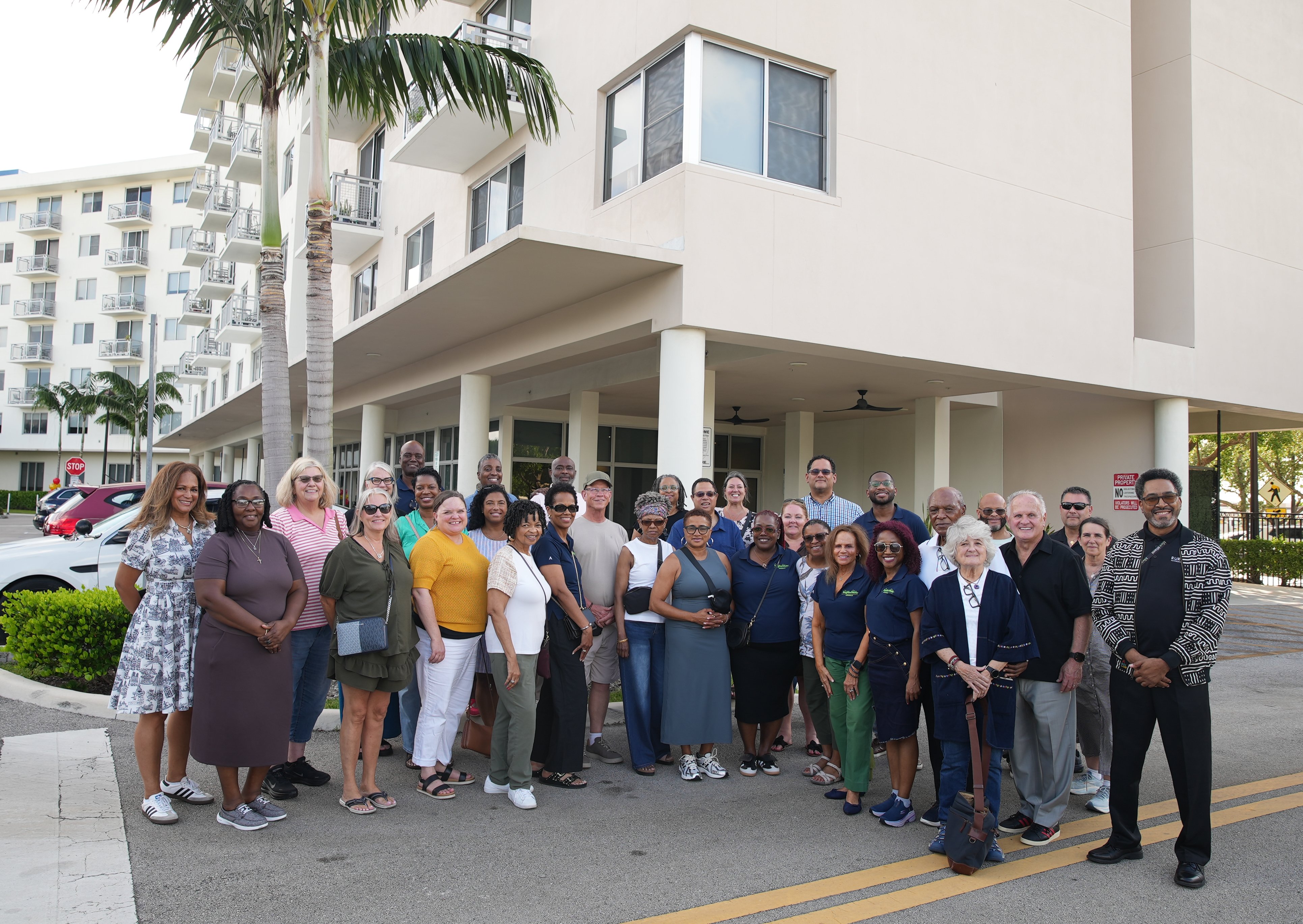
Rural Neighborhood's Homestead development now includes 511 single family homes and duplexes. Of those homes, 496 are occupied by agriculture workers. The neighborhood includes three childcare centers and a market, along with 275 single room occupancies. Said Kirk: “Never let a disaster go without turning it into an opportunity.”
Other Rural Neighborhoods developments now have the four- to -six story buildings known as mid-rises. As agricultural workers have aged, the NeighborWorks nonprofit has also built more housing for seniors.
Kirk called his bus tour “The Evolutionary Tour” because it explains who the organization is and how it’s changed.
That evolution includes using tools such as Community Development Block Grant funding and modular housing to help keep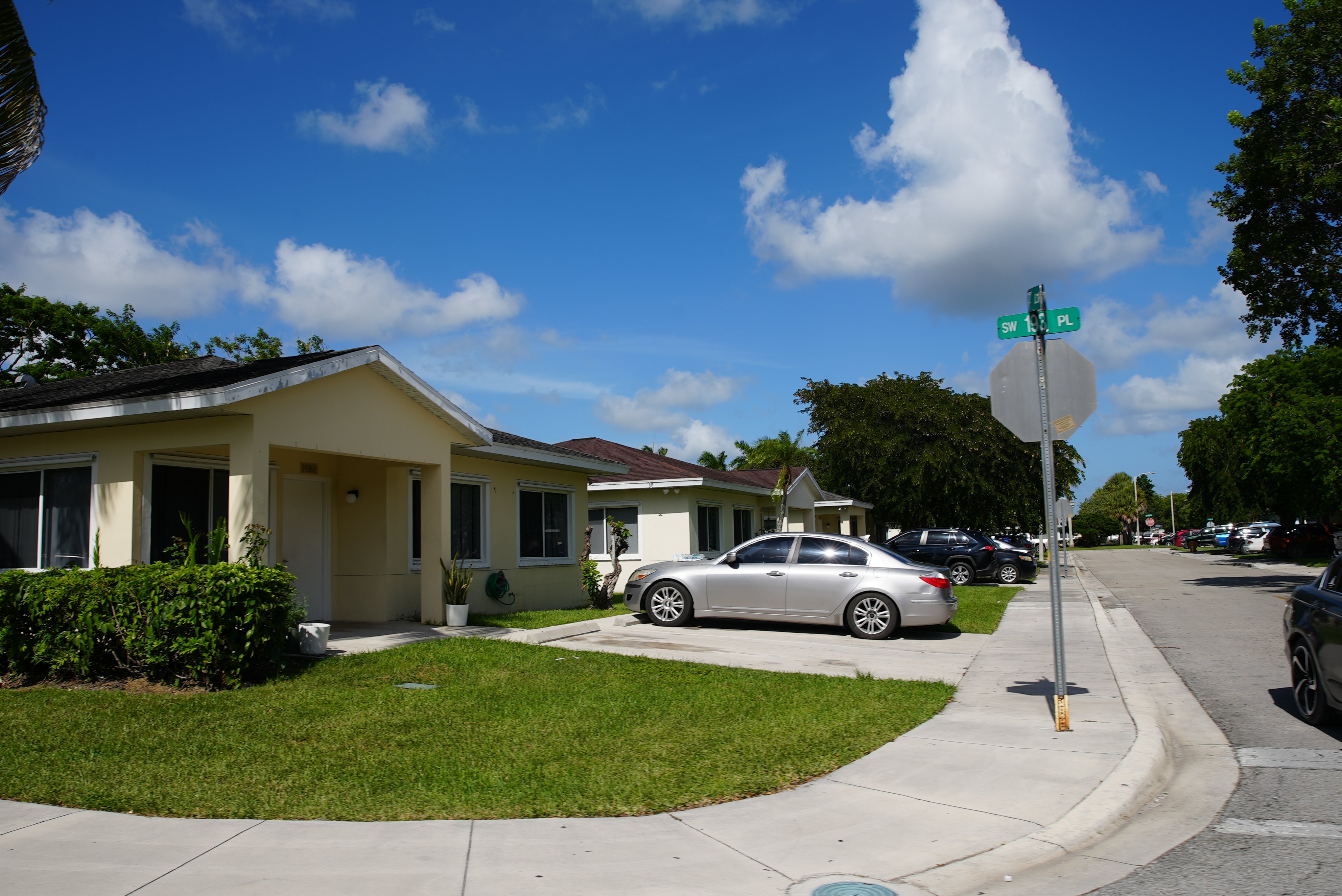 homes affordable.
"The evolution is in using these tools to meet the needs of our local communities," Kirk said. "Your organizations have to be prepared for your own evolution of mission."
That message was particularly relevant for the NeighborWorks network leaders participating in the tour. Local conditions differ across the country, but network organizations regularly confront a common challenge: responding to changing housing markets and community needs while staying focused on the people they serve.
Peer exchange at the NeighborWorks Training Institute gives practitioners an opportunity to see those challenges and solutions firsthand and consider how lessons from one community might inform work in another.
For Kirk, the lesson from Rural Neighborhoods' four decades of work is straightforward.
"Rural has changed. Agriculture has changed. And we have to adapt."