


From homeownership counseling to accessible housing and community connections, local organizations are helping veterans build stability at every stage of life.
For veterans, the path to housing stability looks different depending on where life takes them.
For some, it means purchasing a first home after years of renting. For others, it means finding ways to remain in the home they have owned for decades. For veterans navigating financial hardship, disabilities or major life transitions, stability may begin with access to the right resources and a community of support.
Across the country, organizations in the NeighborWorks® America network are meeting veterans where they are, providing housing solutions that reflect individual circumstances and long-term goals. 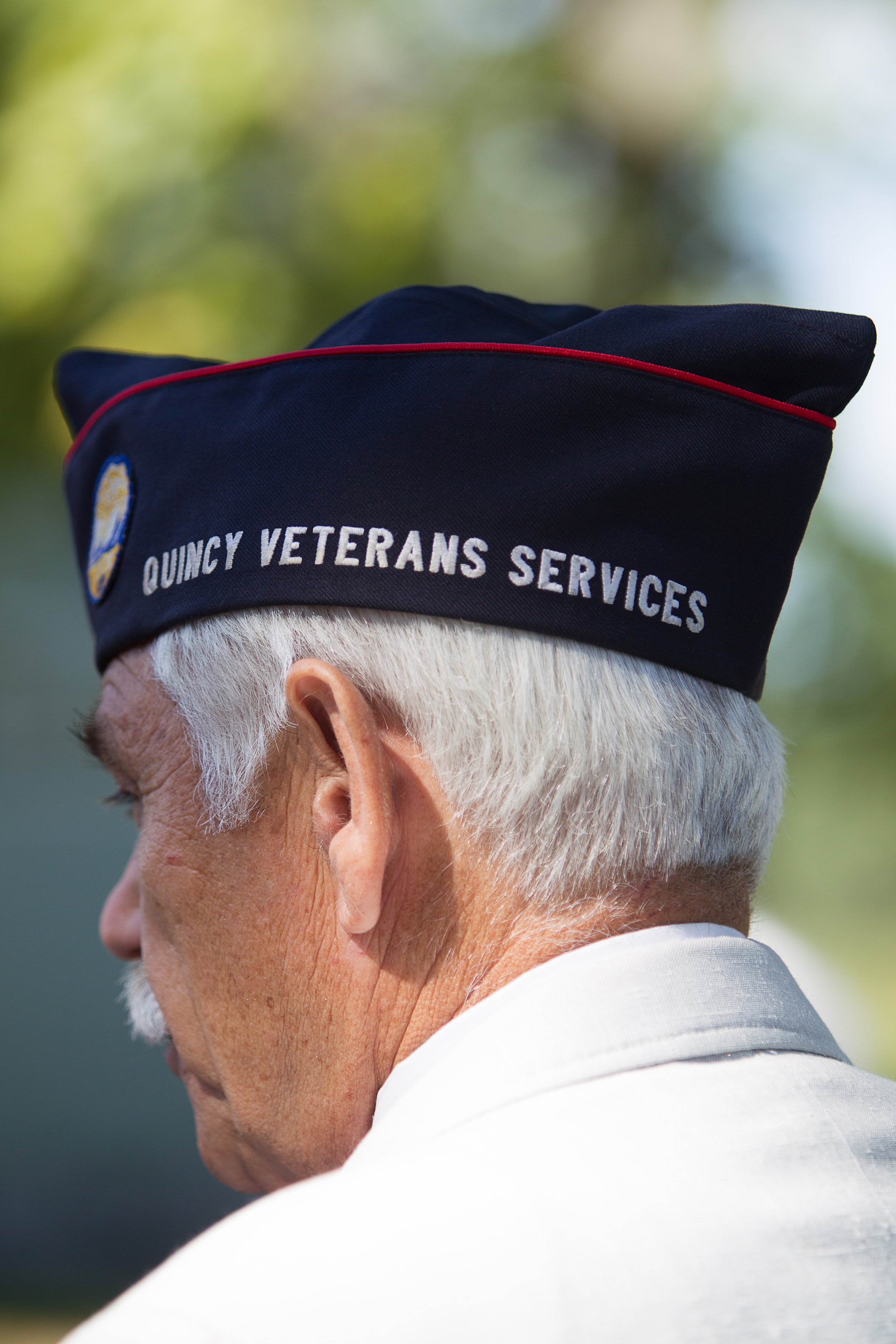
That work takes many forms, from financial counseling and homebuyer education to accessible housing development and supportive services.
In fiscal year 2025, more than 79% of local NeighborWorks network organizations served veterans and/or active military. The network assisted at least 950 veterans and/or active military families with purchasing or preserving their homes.
In fiscal year 2026, NeighborWorks America’s Hero Initiative, in partnership with Northrop Grumman, provided flexible funding to a group of network organizations that intentionally serve veterans and active-duty military members. The initiative was designed to ensure these organizations had the resources and support needed to amplify their impact.
Through the initiative, the network served 4,619 households,1,827 of which were veterans or active military. That included 422 new homeowners, 1,523 households counseled and educated, and 3,957 rental homes provided.
Four organizations in Utah, Wyoming, California and Arizona demonstrate how locally driven approaches can make a difference.
Preserving the homes veterans already own
For older veterans, housing stability is not always about finding somewhere new to live. Sometimes, the greatest opportunity lies in making it financially possible to remain at home.
In Orem, Utah, NeighborWorks Mountain Country Home Solutions helps residents navigate housing and financial decisions, including those that become increasingly important during retirement.
The organization provides financial counseling and affordable housing services to approximately 200 families annually, including veterans seeking assistance with mortgages, rent, utilities and other housing expenses.
One approach involves helping older homeowners understand how the equity they have built can support their financial goals.
Through Home Equity Conversion Mortgage counseling, eligible homeowners can explore options for accessing their home equity while considering the financial implications of remaining in their homes.
For one older veteran household, counseling identified an opportunity to potentially eliminate approximately $600 in monthly mortgage payments. That additional financial flexibility could help the household preserve retirement income and make remaining at home more sustainable.
The approach reflects a broader reality: Preserving affordable housing also means helping existing homeowners maintain financial stability.
By providing information and individualized counseling, NeighborWorks Mountain Country Home Solutions helps veterans make informed decisions about their housing and financial futures.
Designing housing around the people who live there
Housing affordability is only one part of the equation. For veterans living with disabilities, finding a home that meets their physical and personal needs can present additional challenges.
In Wyoming, where rural geography can make access to housing and services more difficult, Wyoming Housing Network is exploring how housing design can better support veterans.
The organization works with veterans who receive assistance through the U.S. Department of Housing and Urban Development-Veterans Affairs Supportive Housing program, commonly known as HUD-VASH. The program combines rental assistance with supportive services for eligible veterans.
But having rental assistance does not necessarily mean suitable housing is available.
At Hawk's Point, a Wyoming Housing Network community where several veterans receiving HUD-VASH assistance already live, the organization has engaged residents in conversations about what accessible housing should look like. 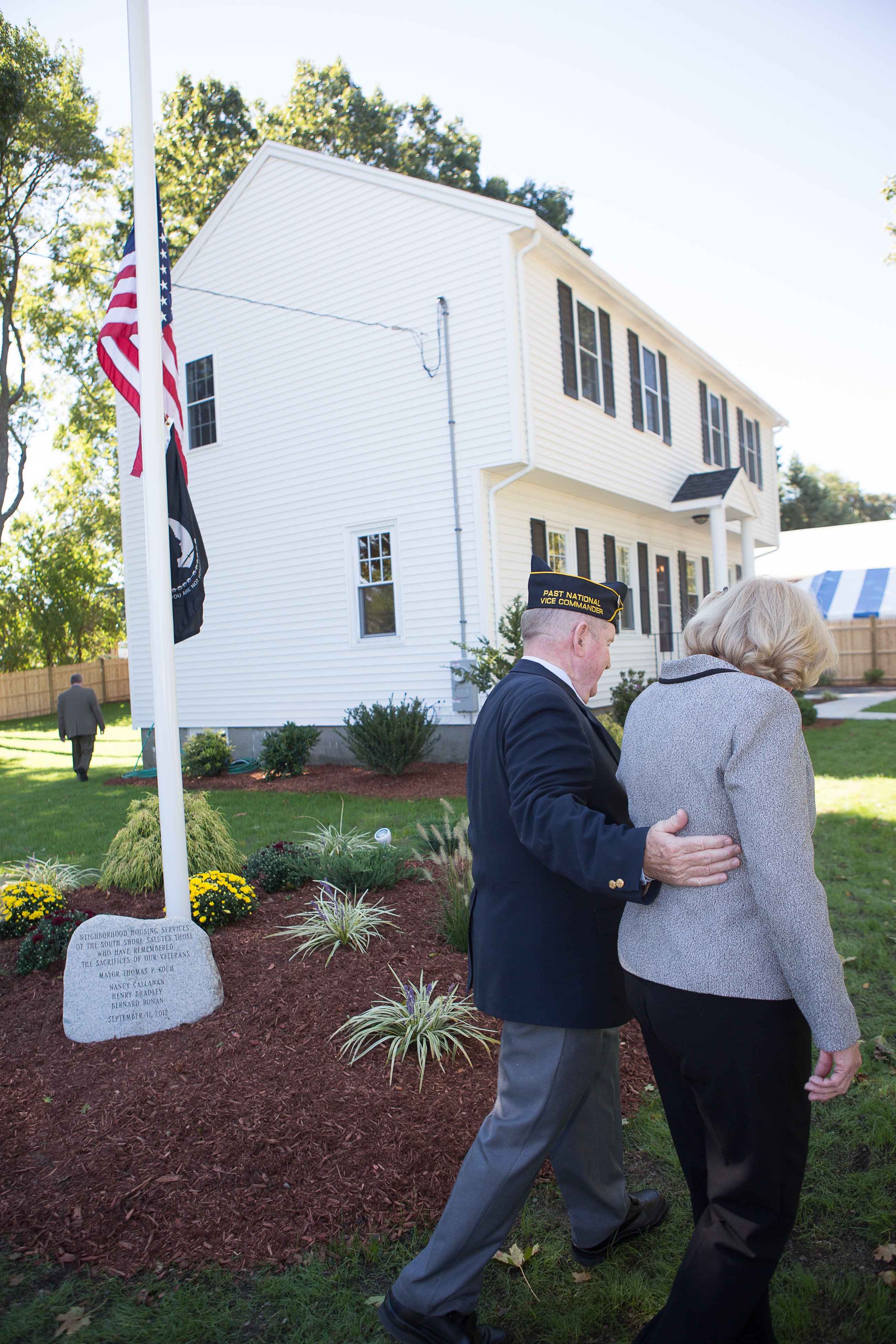
Through a listening session focused on a potential future development, veterans shared perspectives that could inform housing design and accessibility features.
Their feedback highlights how accessibility extends beyond traditional accommodations for physical disabilities.
Soundproofing and insulation, for example, may help create more comfortable living environments for veterans experiencing post-traumatic stress disorder. Ground-floor entrances with direct exterior access can better accommodate residents with mobility limitations or service animals. Motion-activated lighting and distinctively colored doors may help older residents experiencing cognitive changes navigate their surroundings.
These considerations reflect an approach to housing development that begins with understanding the people who will live there.
Looking ahead, Wyoming Housing Network Executive Director Melissa Noah hopes to develop dedicated accessible housing that incorporates space for veteran service providers, bringing housing and supportive resources together in one location.
By engaging veterans directly in the planning process, the organization is working toward housing solutions informed by residents' experiences and needs.
Creating pathways to homeownership and helping veterans keep their homes
For veterans working toward homeownership, access to education, financial resources and consistent guidance can make a meaningful difference.
In Southern California, Neighborhood Partnership Housing Services supports veterans at multiple points in their housing journeys, from preparing to purchase a first home to navigating financial challenges that threaten existing homeownership.
Through homebuyer education and housing counseling, the organization helps veterans understand the homebuying process, identify available resources and prepare for the financial responsibilities of owning a home.
That support can be particularly important in communities where housing costs create significant barriers.
In Hesperia, California, where the median value of an owner-occupied home has reached approximately $409,000, Neighborhood Partnership Housing Services has offered homebuyer education specifically marketed to service members and veterans.
The organization's approach recognizes that becoming a homeowner is not always a straightforward process.
Some participants need additional time to build trust, navigate financial requirements or identify down payment assistance. By providing individualized counseling and consistent support, the organization helps residents work through those challenges at a pace that reflects their circumstances.
For one veteran transitioning from rental assistance toward homeownership, that process has involved approximately a year of preparation, counseling and assistance identifying resources needed to complete her purchase.
Her experience illustrates the value of sustained engagement rather than a one-time intervention.
But the organization's work does not end when someone purchases a home.
Neighborhood Partnership Housing Services also assists veterans facing foreclosure, including older homeowners whose financial circumstances have changed after leaving the workforce.
By connecting homeowners with counseling and available resources, the organization helps them explore options for preserving their homes.
Together, these services demonstrate the importance of supporting the full homeownership journey, from preparing to buy to navigating the challenges that can arise years later.
Connecting housing stability with community and well-being
A stable home provides an important foundation, but housing alone may not address every challenge a veteran faces.
For veterans navigating the transition from military service, financial hardship or periods of housing instability, access to supportive relationships and community resources can be equally important.
In Phoenix, Arizona, Chicanos Por La Causa takes an approach that connects housing assistance with case management, peer support and opportunities for community engagement.
The organization works with veterans facing a range of challenges, including housing instability, financial difficulties and barriers to accessing benefits.
Its services recognize that helping someone secure housing may be only one part of achieving long-term stability.
Through individualized case management, staff help veterans navigate available resources, connect with supportive services and address challenges that may affect their housing and financial circumstances.
For one Army veteran experiencing homelessness after incarceration, that support included assistance navigating the Department of Veterans Affairs system, accessing disability compensation and reconnecting with the veteran community. Through these services and additional support, he eventually secured stable housing and part-time employment.
The organization's approach also emphasizes the importance of trust.
Chicanos Por La Causa intentionally employs veterans, recognizing that shared military experiences can help build connections with individuals who may be hesitant to seek assistance.
The organization also hosts veteran coffee gatherings twice each month, creating opportunities for participants to connect with peers, community resources and mental health providers.
These gatherings reinforce an important part of the organization's approach: Community connections can play a meaningful role in maintaining housing stability.
By combining housing assistance with opportunities for social connection and supportive services, Chicanos Por La Causa helps veterans build a foundation that extends beyond their immediate housing needs.
Different approaches. A shared commitment to housing stability.
The housing challenges veterans experience are not uniform; the solutions should not be either. However, all of the approaches taken by network organizations share a common foundation: understanding residents' circumstances and connecting them with practical solutions.
This work reflects the value of partnerships that strengthen local organizations' ability to serve their communities. Support from partners such as Northrop Grumman contributes to efforts focused on expanding housing stability and financial opportunity for veterans.
For NeighborWorks America and its national network, the goal extends beyond addressing an immediate housing challenge. It is about helping people build the stability, resources, and connections needed to move forward.
Because for veterans, housing stability is not defined by a single milestone. It is the opportunity to have a place to call home, the resources to maintain it, and the support to build a stronger future.
To read more about these Veteran impact stories, please review the full report in our publications and research section.