

Home, Sweet Affordable (Rental) Home
The demand for affordable rental homes has never been greater. That's why NeighborWorks America provides extensive training and support to our local network members in developing, owning and managing high-quality multifamily communities. The growth of network organizations' work in this area has been impressive. In nine years, the number of families and individuals making their homes in NeighborWorks organizations' apartment communities has more than doubled, increasing from just over 80,000 to nearly 175,000 in FY 2019.
NeighborWorks America's approach is grounded in the recognition that rental homes are the foundation of success for families and neighborhoods across the country; and only if they are well run and stewarded for the long term can they drive family and community success. Therefore, NeighborWorks America's center of practice has been asset management — providing network organizations with extensive coaching, portfolio data, unique grant programs and training opportunities by which they can foster the diverse skills and strategies necessary to develop, finance, build, manage and maintain affordable rental portfolios with stable, affordable rents as a resource for their communities.
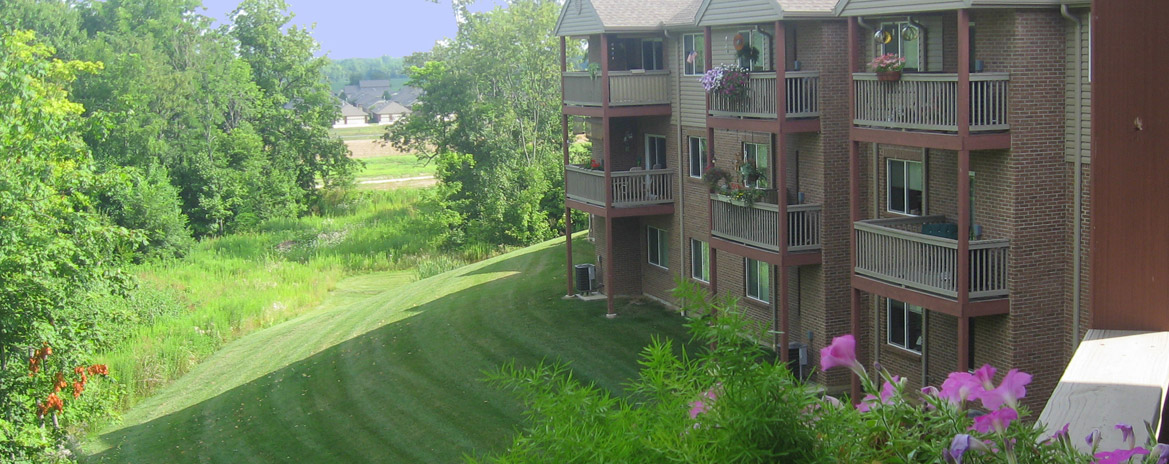
The multifamily units in our network provide quality, affordable housing in urban, suburban and rural communities across the country. Many NeighborWorks network members have won design awards for their communities.
Many residents are families — including teacher's aides, social workers, nurses, construction and retail workers whose communities rely on them — and many are seniors on fixed incomes. A smaller number are disabled or have recently been homeless.
Housing stability greatly improves community stability. The residents of well-managed, affordable rental housing call their house or apartment "home." They know their neighbors and connect with their communities, creating a better, safer place for all to live. Many network members help to enrich communities further by providing after-school programs, financial coaching and other services. Some offer supportive services in addition to housing. For example, previously homeless residents can benefit from additional programs to help keep them in their homes permanently, such as access to social workers, food pantries, and financial education and coaching.
DHIC Inc., based in Raleigh, has 44 rental home communities in nine counties in and around the Research Triangle Park area of North Carolina. "Our goal," said President and CEO Gregg Warren, "has been to redefine what affordable housing looks like." After 34 years at the helm, Warren is proud that DHIC has never sold an apartment development, instead exercising skillful asset management — maintaining, refinancing, rehabilitating and recapitalizing its properties. DHIC maintains a stable supply of homes with rents that are affordable to their residents."We've developed a great track record that we keep leveraging to bring more housing to our communities," Warren said.
Eviction prevention is another important area where NeighborWorks organizations make a difference. Evictions are costly to families and communities, and many network members now offer eviction prevention. CommonBond Communities in St. Paul, Minnesota, which has 13,000 rental homes in Minnesota, Wisconsin and Iowa, has a one-on-one program aimed at avoiding eviction and keeping residents in their homes.
CommonBond's property management team has the flexibility to allow residents who fall behind to get a referral to a coordinator who works with residents to put together an individual plan to help them avoid eviction.
"About 80 percent of the residents at risk of eviction have financial problems," said Jessie Hendel, CommonBond's vice president of Advantage Services. "We help them get on track by coming up with a payment plan and discussing resources that might be available to them in the community, their family, their church and so forth." Several dozen CommonBond coordinators also have been trained in mediation to help residents work out such complex problems as hoarding and housekeeping issues.
CommonBond hired consulting firm Ernst & Young to study the impact of their efforts. The firm concluded that for every dollar invested in keeping residents stable, the community realizes a savings of $4 in decreased assistance to evicted individuals and families.